AI is now training you to be fit. Yes, people are crushing fitness goals without hiring a personal trainer. Now, multiple AI fitness apps are available. But selecting the right match is the real challenge for many.
AI fitness tools build personalized workout plans and also focus on nutrition plans, evaluating your progress. In this guide, I’ll list the best AI fitness tools that our experts suggested after thorough research, testing, and evaluation.
Whether you are struggling to lose weight or just trying to stay consistent, the tools can help you address your real challenge.
How We Selected These Tools?
Our team suggested these tools based on the real-time users’ experience.
Every tool in this guide was evaluated on a few simple questions:
- Does it actually adapt to your performance?
- Can someone with zero fitness background use it?
- Is there a free plan or an affordable way to start?
- Does the AI actually learn from your data, or is it just a label?
If a tool couldn’t answer those questions well, it didn’t make the list.
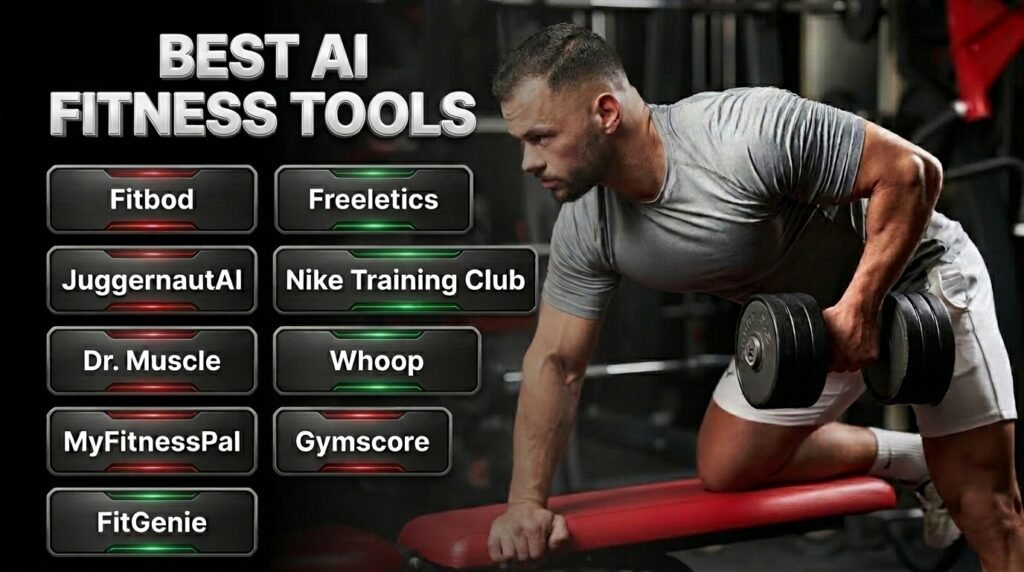
Best AI Fitness Tools (Quick Comparison)
| Tool | Best For | Difficulty | Standout Strength |
| Fitbod | Gym-based strength training | Beginner–Intermediate | Adapts every workout to recovery |
| Freeletics | Bodyweight and cardio | Beginner | Great free tier, trains anywhere |
| JuggernautAI | Powerlifting and strength sports | Advanced | Best periodization for serious lifters |
| Nike Training Club | Free guided workouts | Beginner | High-quality content at zero cost |
| Dr. Muscle | Hypertrophy and muscle building | Intermediate | Science-based auto-regulation |
| Whoop | Recovery and readiness | Intermediate | Best recovery and sleep data |
| MyFitnessPal | Calorie and nutrition tracking | Beginner | Largest food database available |
| Gymscore | Form analysis and technique | Intermediate | Computer vision for form coaching |
| FitGenie | AI training + nutrition together | Beginner–Intermediate | Combines workouts and meal planning |
Top AI Fitness Tools
Fitbod
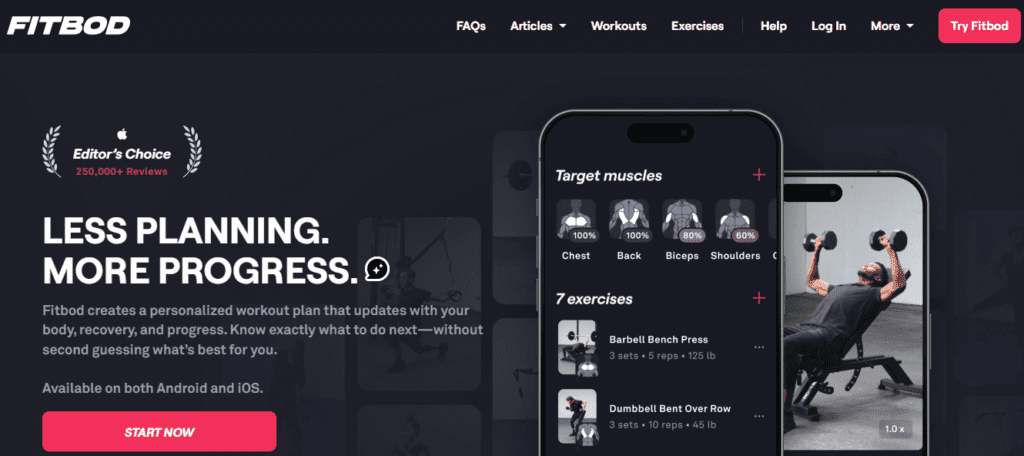
Fitbod is a gym-based AI fitness app. If you have no fitness background, it is an ideal option to start. According to the user’s review, it builds from scratch based on your training history and equipment.
It can tell you which muscles are fresh and which need rest. According to this information, the platform arranged the next session. If you are the one who is primarily focused on strength training. The platform offers a high level of personalization.
We found the workout programming is well-structured, especially for people at intermediate fitness levels.
Best for: Gym-goers who majorly focus on strength training and progressive overload.
Limitations: The platform works best for those training in a gym with equipment. It is not ideal for home bodyweight training.
Ideal users: Intermediate to advanced gym users who want data-based workout programming.
Freeletics
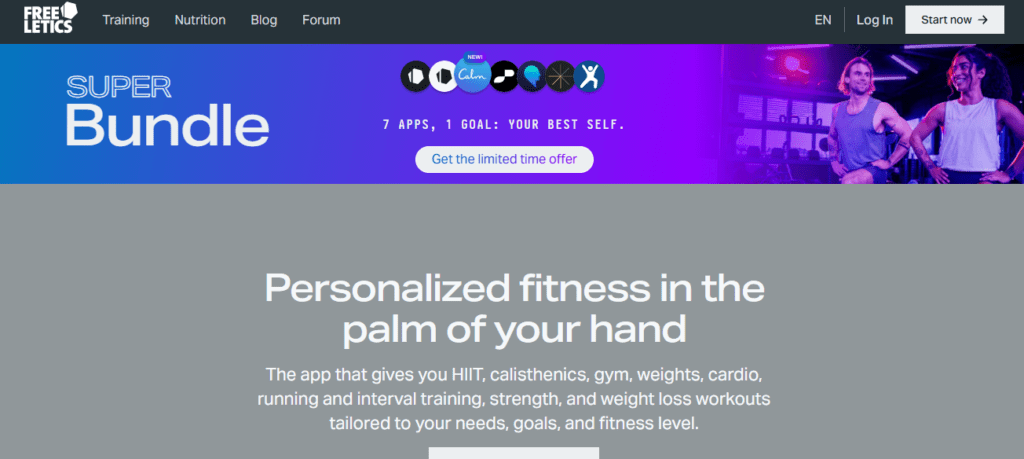
If you don’t have access to a gym, Freeletics is the best AI-powered fitness app for getting results with just your bodyweight. The AI gives you the real-time benefit. After each session, you rate the difficulty. Is it too hard? It backs off when it’s too easy.
We found that the plan evolves based on your actual feedback after a session. For people across different fitness levels, that kind of real-time adjustment is a big deal.
Best for: People who want effective workouts at home, traveling, or in a small space.
Limitations: We found that it has limited information about nutrition tracking. It is not a right fit for those focused on strength training.
Ideal users: Busy people, travelers, beginners, and anyone who wants a solid free AI workout generator.
JuggernautAI
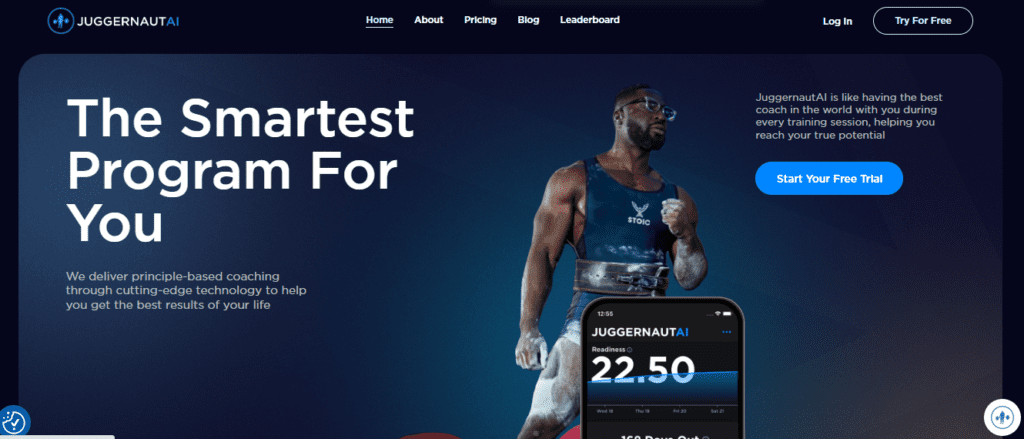
If you like powerlifting, strength sports or structured periodization, JuggernautAI is the strongest match. Well, the tool is built by actual powerlifting coaches and athletes.
It built the programs for you based on your goals. You input your goals, current maxes, and training schedule. The AI is ideal for intermediate to advanced lifters who want precise programming for their strength training.
Best for: Powerlifters, strength athletes, and serious gym-goers.
Limitations: The tool is complex for beginners to use. The plans are also expensive for casual users or beginners who are just starting their fitness journey.
Ideal users: Competitive or serious lifters to get the expert-level workout programming.
Nike Training Club
Nike Training Club is a completely free training tool. Users of the tool review that the app gives access to a full library of guided workouts. You can get training assistance without any subscription or hidden tiers.
Well, NTC doesn’t have adaptive AI personalization. The workouts are high-quality. But like many others, the best AI fitness tools don’t adjust based on your fitness data. You have to select the workout yourself.
Best for: Beginners and anyone who wants high-quality workout content without paying anything.
Limitations: The tool has no AI-driven adaptation and no nutrition plans. You’re choosing from a library rather than getting a custom program.
Ideal users: Beginners building a habit and people with a solid fitness foundation.
Dr. Muscle
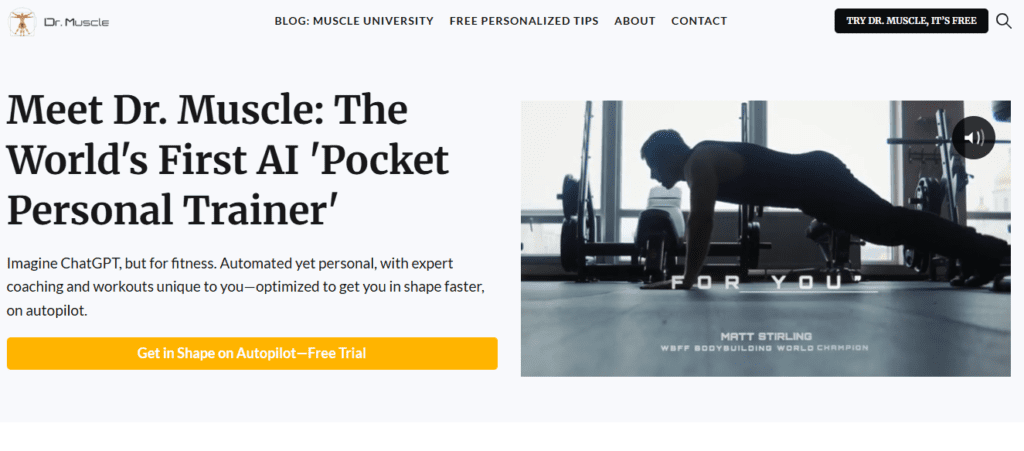
Dr. Muscle is built for hypertrophy and muscle building. I take a science-based approach that most apps skip over. Concepts like RIR (reps in reserve) and auto-regulation aren’t buried in settings.
We found that the tool is useful for preventing overtraining, which kills progress for many intermediate lifters. If you prioritize effective workout programming, it is an ideal match for you.
Best for: Intermediate-to-advanced gym-goers focused on muscle building and hypertrophy, with a scientific approach.
Limitations: The tool doesn’t have nutrition plans. Its Interface also feels complex for beginners, so it is not the right fit for beginners or casual gym-goers.
Ideal users: Experienced lifters to apply exercise science principles to their training.
Whoop
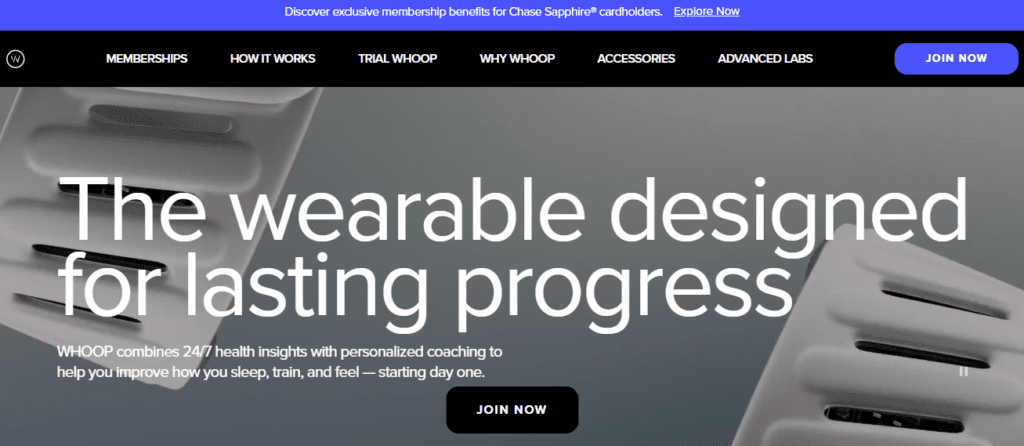
Whoop AI is a recovery and readiness platform. Generally, the fitness apps highlight what to do. But Whoop tells you whether you’re ready to do it.
The wearable tracks your heart rate variability, sleep quality and recovery around the clock. The AI engine gives you a daily readiness score that tells you how hard you should push today.
We found this tool to be the best match for those training hard and wanting to avoid injury or burnout. It genuinely fills a gap that most AI-powered fitness apps ignore.
Best for: Serious athletes, frequent gym-goers, use it to track recovery alongside progress.
Limitations: The app doesn’t include workout programming and nutrition tracking. It’s a recovery tool that doesn’t give the complete fitness solution.
Ideal users: Athletes and serious gym-goers.
MyFitnessPal
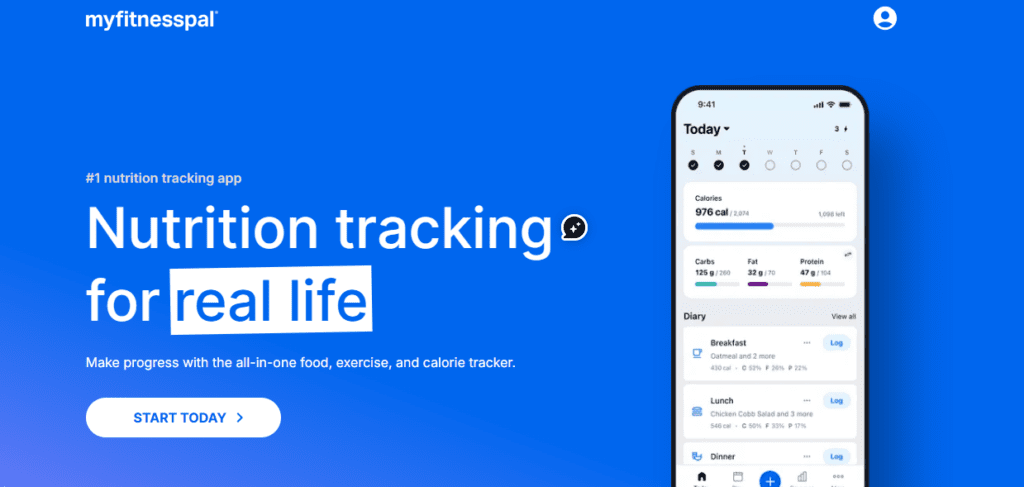
MyFitnessPal is an ideal tool for people who focus on their fitness. The app includes the largest food database. While evaluating, we found that the tools give smart suggestions, macro tracking, and meal patterns.
You can get the nutrition plan for weight loss, muscle building, performance, or a combination of the database. It is the best match for many to save manual calculation time. We found it most useful as a companion tool alongside a workout app like Fitbod or Freeletics.
Best for: Those who want calorie tracking, macro management, and nutrition coaching.
Limitations: Unlike other fitness AI assistant apps, MyFitnessPal has basic workout programming. It’s primarily a nutrition tool. The tool has a free version with irritating ads and limited AI features.
Ideal users: Ideal for those who are conscious about their nutrition plans with training.
Gymscore
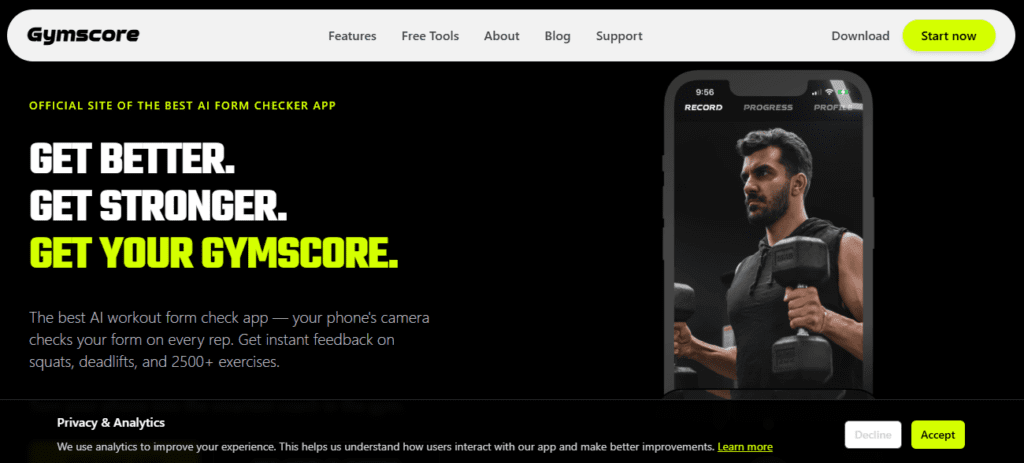
We found Gymscore as a unique fitness AI tool among many others. It monitors your workout, such as how you lift. The app analyzes your form across five dimensions: core activation, posture, foot placement, range of motion, and overall movement.
You can record your workout, upload the video, and Gymscore AI scores your technique from 0 to 100. It also suggests the things to fix. The AI platform works like a real fitness coach that keeps an eye on your form without paying.
Best for: Solo gym-goers to get real-time feedback and improvement suggestions.
Limitations: To get the analyses, you need to record your workouts. The tool doesn’t provide workout programming or nutrition tracking.
Ideal users: Intermediate lifters and people returning from injury are the ideal users for the tool.
FitGenie
If you want both workout programming and nutrition planning, FitGenie is the most practical option. The tool offers personalized workouts and generates meal suggestions according to your training intensity.
The AI is useful for beginners and intermediate users to start their fitness journey. The pricing is lower than most tools on this list, which makes it one of the better value options.
Best for: Beginners and intermediate users for workout and nutrition recommendations.
Limitations: The platform has less advanced workout programming compared to Fitbod or JuggernautAI. The tool is not for serious athletes.
Ideal users: Beginners, people with mixed fitness goals who want training and nutrition.
How to Pick the Right AI Fitness Tool for You?
There’s no single best AI fitness app for everyone. The right pick depends on what you want to do.
After the analysis, experts suggested Fitbod AI for those who focus on gym-based training. Freeletics is the strongest option to start bodyweight training. JuggernautAI is suitable for powerlifting, and Whoop AI works best for the recovery data.
You can find the right fitness tool to monitor your current fitness level and your goals. Most of these tools here have a free option or trial. You can test the tools, and if any of them meet your needs, you can use them for the long term.
What to Look For in an AI Fitness Tool?
When selecting a fitness tool, look for the following features.
- Does it actually update over time? Well, if it’s not, it’s not a real fitness AI tool. Ensure to choose an app that changes custom workouts based on your performance.
- Can you see your progress in real numbers? Does the app show charts, strength scores, or measurable progress tracking? If it does, it’s actually a better tool.
- Does it match your fitness level? Some apps are built for advanced lifters, not for beginners. You have to select the app according to your fitness training routine.
Conclusion
Overall, there are multiple best AI fitness tools available in 2026. But not all of those are the right choice for you. You need to select a tool according to your training point. For most people, Nike Training Club is an ideal option for workouts.
Similarly, Freeletics offers adaptive free AI workout generator options. Fitbod is an ideal tool for those who need real human accountability.
FAQs
Can AI fitness tools actually replace a personal trainer?
AI fitness tools are not replacing personal trainers. These tools give real-time assistance for workout programming, progress tracking, and nutrition plans without costing more.
Do AI fitness apps work for complete beginners?
Yes, most fitness apps handle different fitness levels. Nike Training Club, Freeletics, and FitGenie are beginner-friendly options. These tools provide real-time assistance for the users during training.
How do AI fitness apps build personalized workouts?
Fitbod and JuggernautAI tools have a built-in personalized workout option. These tools track your training history, equipment, recovery data, and performance to generate workouts.