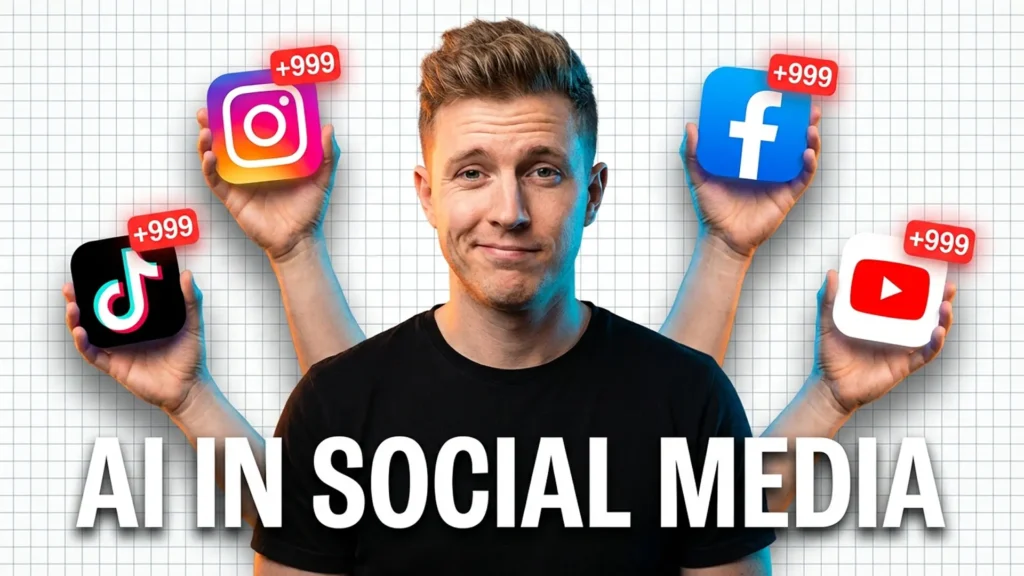
AI in social media helps make your experience better by carefully choosing what content you see, how it’s created, and how you connect with others. These smart AI systems look at lots of information quickly to enhance your browsing, improve content ranking, and provide a friendly customer experience.
AI in social media is not just recommendation software. It is the system that decides what billions of people see, share, and believe every day. Every scroll, click, pause, and share sends signals to an AI system. That system decides what shows up next on your feed.
Social media platforms handle huge amounts of data every second. No human team can manage that volume. AI algorithms do the heavy lifting.
Moreover, Generative AI has also changed how social media posts are made. Natural language processing helps platforms understand what people mean. That is why your social media account feels personal, even though millions of others use the same app.
This guide explains how AI in social media actually works in 2026. You will see how AI enables content creation, improves user experience, and shapes online behavior.
How AI Works in Social Media
Most people think AI in social media is just “the algorithm.” In reality, it’s a full AI system made of several layers working together every second. The following information, with an easy-to-understand style, lets you know how it actually works.
AI Data Ingestion (Where Everything Starts)
Social media platforms collect huge amounts of data the moment you open an app. This data is not random. It comes from real behavior. AI algorithms track signals like:
- What you like, share, save, or ignore
- How long do you pause on a post or video
- Which accounts do you follow or mute
- What you search for
- When you open the app, and for how long
- How you react to ads or sponsored posts
This data is processed in real time. No human team could do this at scale because the possibilities are zero. AI systems are built to read millions of actions per second and turn them into usable signals.
What’s new (and rarely explained):
Meta AI does not treat actions equally. A comment, a share, and a long pause carry different weights. This weighting changes constantly based on platform goals (engagement, retention, or safety). That’s why feeds shift suddenly without warning.
Natural Language Processing (NLP)
Natural language processing helps social media platforms understand meaning. It reads:
- Captions
- Comments
- Hashtags
- Direct messages
- Replies and reactions
NLP allows AI to understand tone, context, and intent. That’s how platforms can detect sarcasm, anger, spam, or harmful language. Even when users avoid obvious keywords.
Meta’s AI models use multilingual NLP, which means the same system reads English, Urdu, Arabic, Spanish, and hundreds of other languages. This is why moderation now happens faster than ever, even in small markets.
NLP also powers:
- Sentiment analysis (how people feel about a topic)
- Comment ranking
- DM filtering
- Auto-replies for customer service
Without NLP, social media would be chaos at scale.
Machine Learning Models (The Decision Engine)
This is the brain of the system. Machine learning models study patterns in engagement and learn from outcomes. Every action teaches the AI what to show next. These models:
- Predict what users will click, watch, or skip
- Learn which posts keep people on the platform longer
- Detect changes in behavior and adjust feeds instantly
- Decide which content deserves reach and which doesn’t
Important:
AI does not show “the best content.” It shows the content most likely to trigger a response from you, based on past behavior. That’s why two people never see the same feed, even if they follow the same accounts.
Where AI Shows Up in Social Media Today
AI is no longer hidden in the background. It actively shapes what people see, post, and experience. Here’s where it shows up most clearly.
Content Creation & Generative AI
Generative AI now helps create social media posts at scale. The State of Generative AI in 2026 (MIT Technology Review). Brands and creators use AI tools to:
- Write captions
- Generate images and videos
- Create variations for testing
- Repurpose content across platforms
- Speed up publishing workflows
Meta AI is now built directly into platforms like Instagram and Facebook. It helps users create content faster, edit visuals, and rewrite text inside the app, not through third-party tools.
This shift matters because platforms prefer native content created using their own AI features. That content often gets better reach.
Personalization & Recommendations
Every feed is custom-built. AI uses behavior and preferences data to decide:
- Post order
- Video suggestions
- Ad placement
- Product recommendations
- Creator discovery
This happens in real time. If your behavior changes, the feed changes within minutes.
This is why social media feels addictive. The AI system continuously learns and adapts to maintain attention high.
Real-Time Moderation & Safety
Human moderation alone cannot protect billions of users. AI now handles most first-level moderation:
- Detecting harmful language
- Removing spam and fake accounts
- Flagging misinformation
- Filtering graphic or abusive content
- Reducing harassment in comments and DMs
Human reviewers step in only when AI flags something uncertain. This layered system allows platforms to stay functional at scale.
Customer Service Chatbots
Customer service has moved inside social media. AI agents now respond in real time to:
- Order questions
- Booking issues
- Refund requests
- Basic support messages
- FAQs in DMs
Many brands run full customer support using AI tools connected to their social media account. This allows 24/7 replies without hiring large teams.
For users, it means faster answers. For brands, it means lower costs and higher response rates.
AI Tools & Platforms Used in Social Media (2026)
AI in social media is now mainstream. Real brands use real tools every day to create content, manage conversations, understand audiences, and protect their platforms.
Below are the 18 AI tools and systems social media teams follow for:
Generative Content & Creation Tools
These tools help teams create social media posts, visuals, and videos faster without sacrificing quality.
- Canva Magic Studio
Canva Magic Studio Used by creators and brands to generate social visuals, captions, and layouts. It’s popular because it saves time and keeps design consistent across platforms.
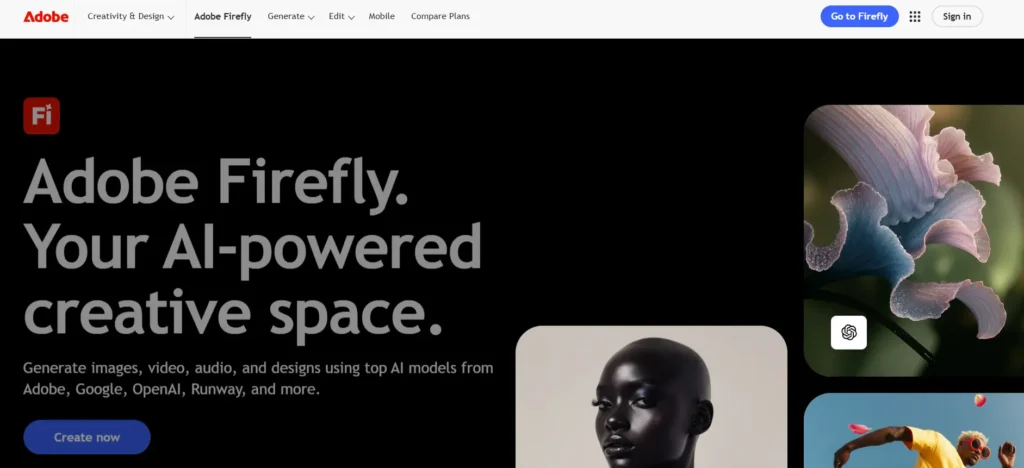
- Adobe Firefly / Adobe Express
Adobe Firefly Used for high-quality AI-generated images, videos, and background edits. Brands choose it because it respects copyright and fits professional workflows.
- ChatGPT, Gemini, Claude
Widely used for:
- Writing captions and hooks
- Creating post variations
- Drafting replies and comment responses
- Turning ideas into ready-to-publish content
These tools reduce creative fatigue and speed up publishing.
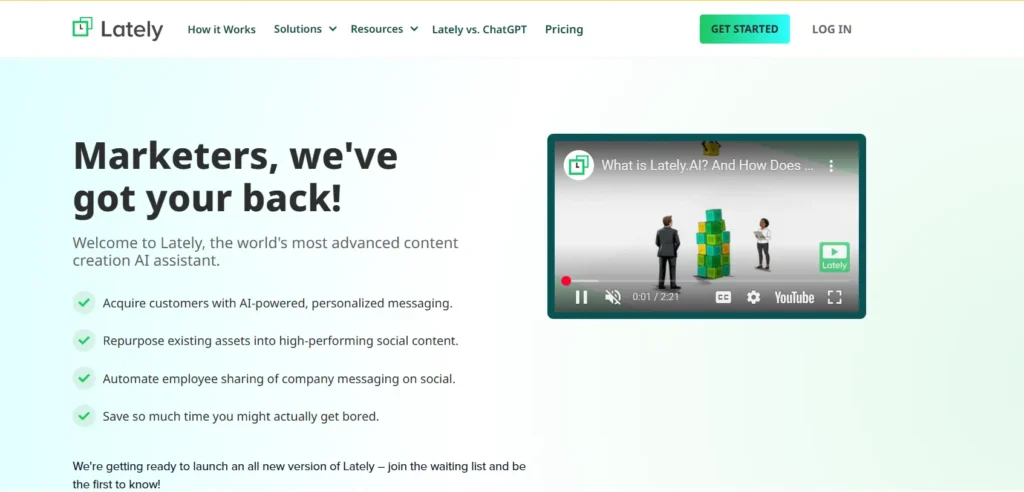
- Lately.ai
Lately Turns long content (blogs, podcasts, videos) into multiple short social posts automatically, helping brands stay active without rewriting everything manually.
AI Scheduling, Automation & Workflow Tools
These tools manage publishing, timing, and daily workflows across social media accounts.
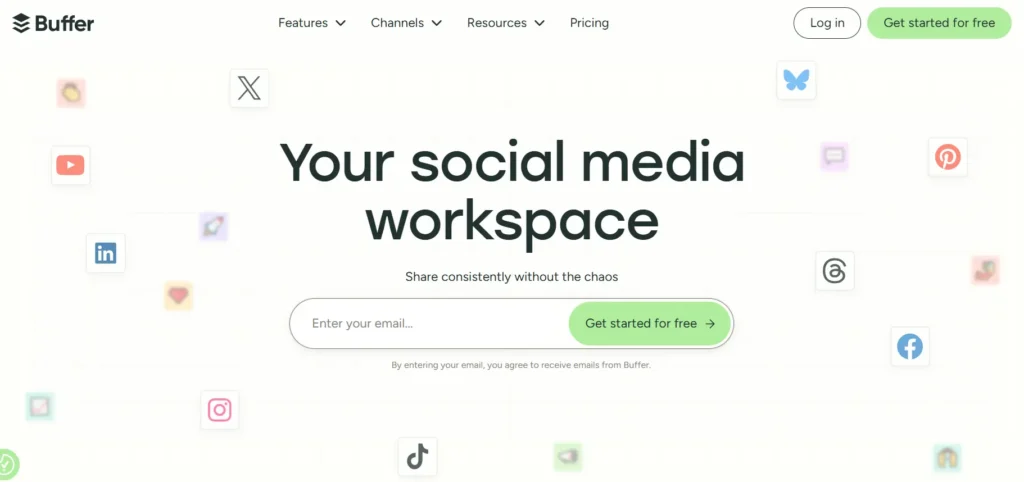
- Buffer (AI Assistant)
Buffer Suggests captions, improves wording, and recommends the best time to post based on engagement data.
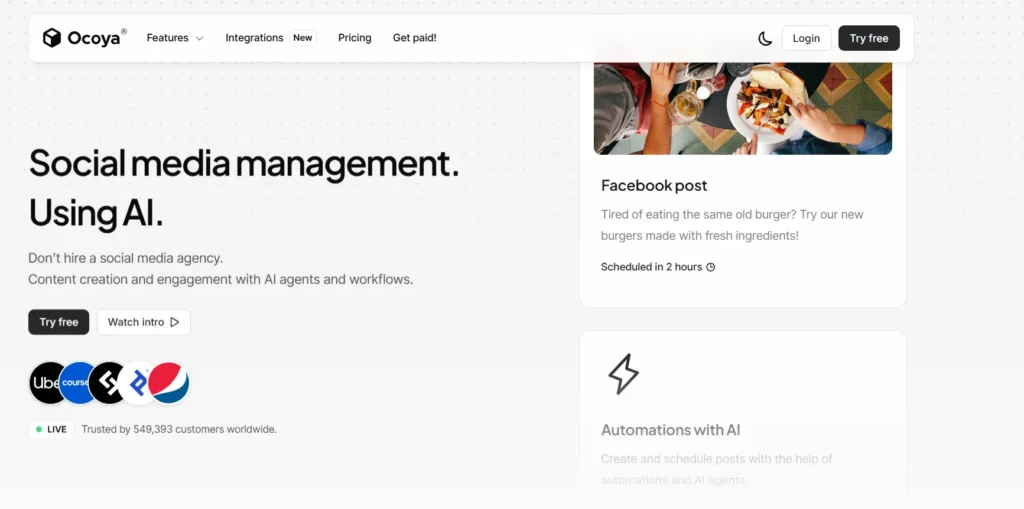
- Ocoya
Ocoya Combines AI writing, visual creation, and scheduling in one place. Popular with small teams that want everything in a single dashboard.
- Publer
Publer Used for bulk scheduling, automatic posting, and hashtag generation. Helps brands maintain consistency across platforms without manual effort.

Personalization & Feed Algorithms (Platform AI)
These are built-in AI systems that control what users see on social media platforms:
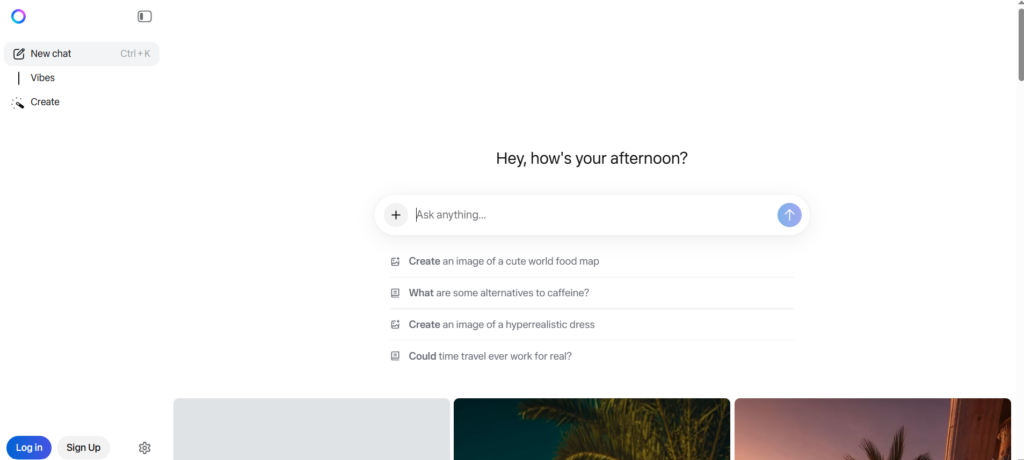
- Meta AI (Facebook & Instagram)
Meta AI Orders feeds, suggests content, and predicts what users engage with based on behavior and preferences.
- TikTok’s For You AI
Learns from watch time, rewatches, and interactions to serve highly personalized content in real time.
- YouTube Recommendation System
Uses AI to predict what videos users will watch next, driving over 70% of total views.
These AI systems are why no two users see the same feed, even on the same platform.
Moderation & Safety Tools
Used to protect platforms, brands, and communities from harmful content.
- Meta’s AI Moderation Suite
Automatically detects hate speech, spam, scams, and policy violations across posts, comments, and messages.
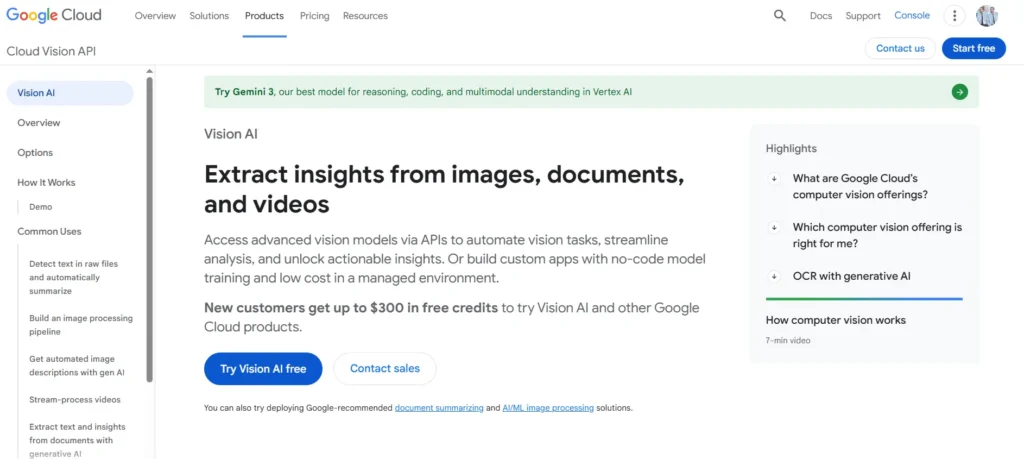
- Google Cloud Vision AI
Google Cloud Vision AI Scans images and videos for unsafe content before they are published or promoted.
- Heyday (by Hootsuite)
An AI chatbot that responds to DMs and comments in real time, improving customer service without adding staff.
Social Listening & Insight Tools
These tools help brands understand what people are saying and feeling online.
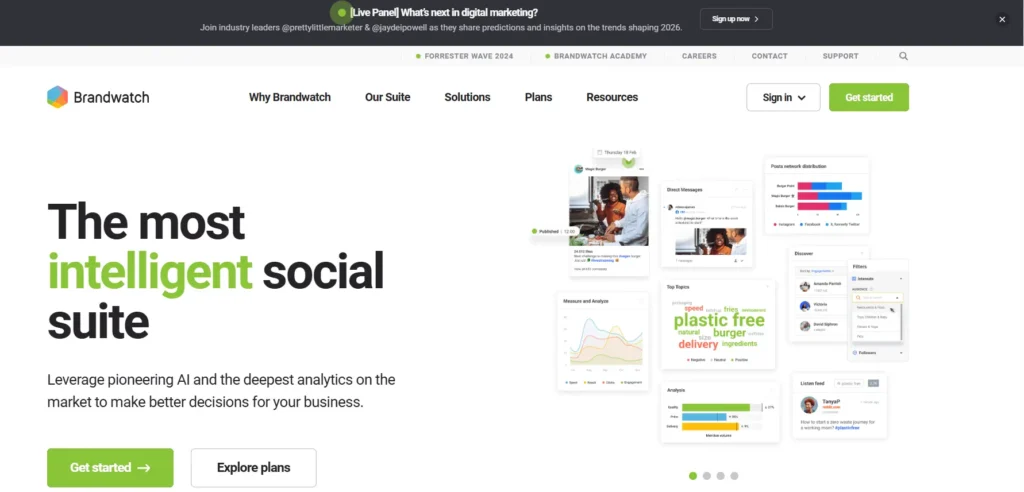
- Brandwatch
Brandwatch Tracks millions of conversations in real time and uses AI to detect trends, sentiment, and audience shifts.
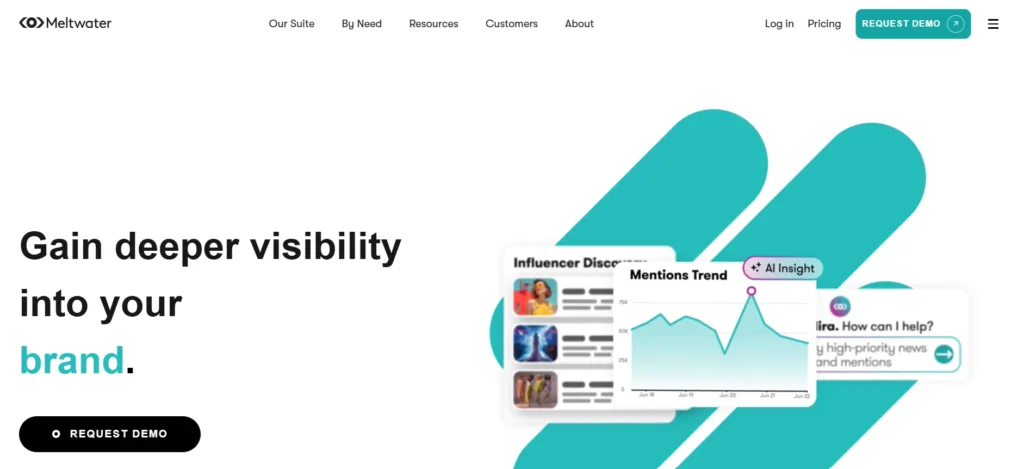
- Meltwater
Meltwater Monitors social media, news, and blogs together. Brands use it to track reputation and campaign impact.
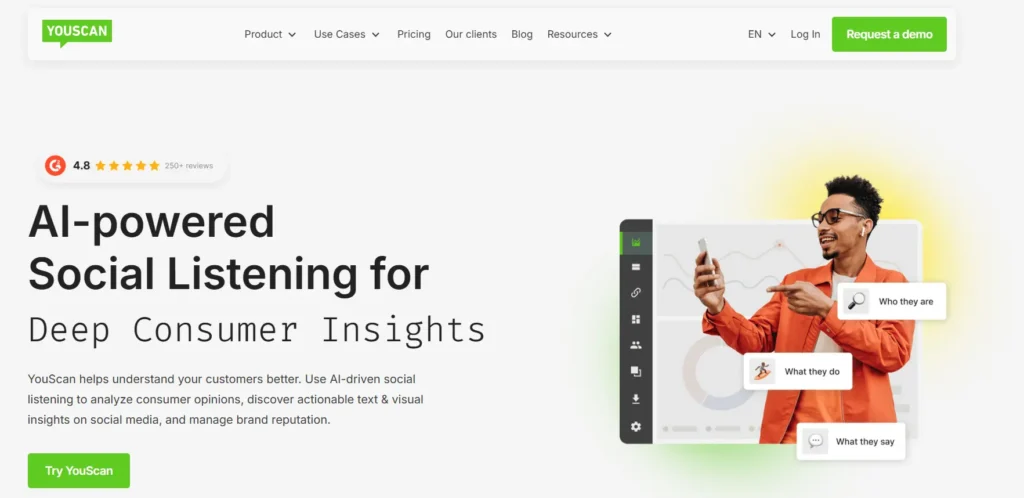
- YouScan
YouScan Uses visual AI to find logos, products, and brand images even when text is missing.
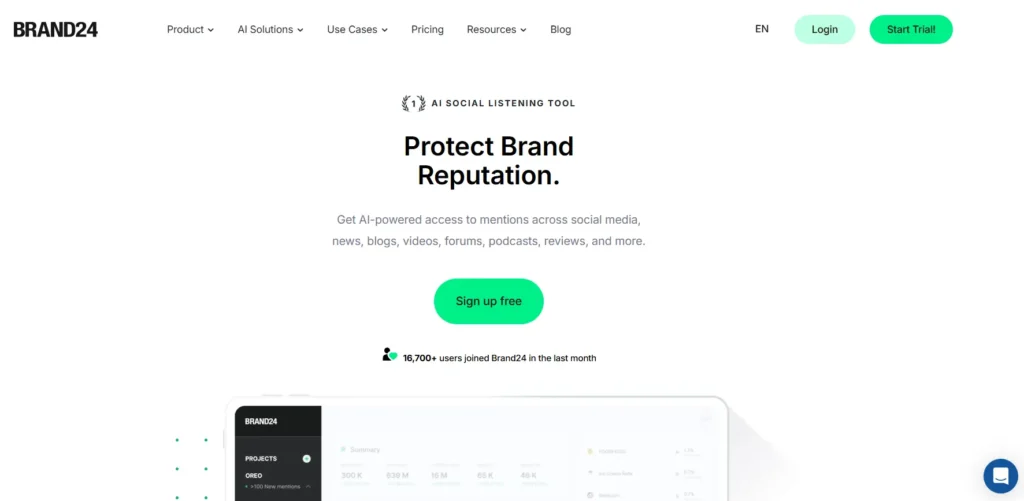
- Brand24
Brand24 Helps teams spot rising conversations early and respond before issues grow.
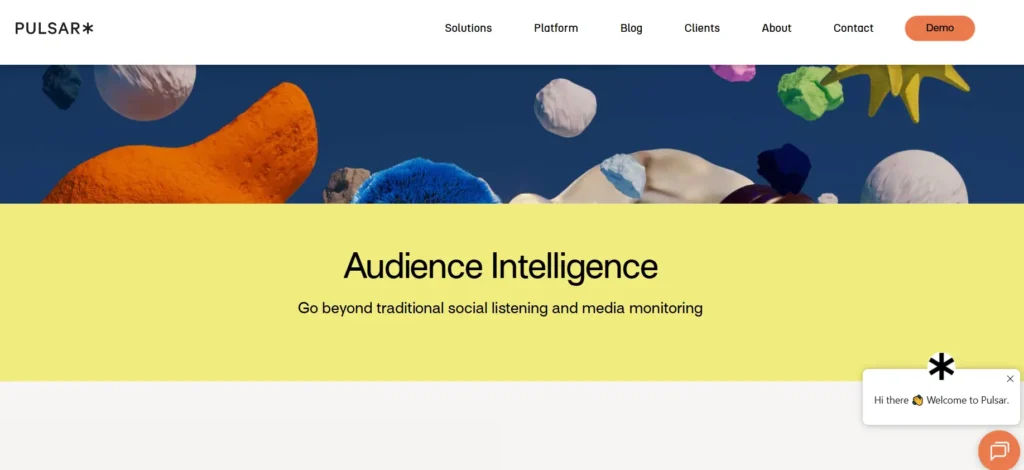
- Pulsar
Pulsar Used by strategists to understand communities, narratives, and cultural shifts around brands and topics.
Quick Comparison: Which Tools Do What Best?
| Purpose | Best Tools | Why Teams Use Them |
| Content creation | Canva, Firefly, ChatGPT | Fast, consistent posts |
| Scheduling & automation | Buffer, Ocoya, Publer | Less manual work |
| Feed personalization | Meta, TikTok, YouTube AI | Higher engagement |
| Moderation & safety | Meta AI, Google Vision | Cleaner communities |
| Social listening | Brandwatch, Meltwater, YouScan | Real audience insight |
How Brands Use AI to Enhance Social Media
Brands don’t use AI in social media to look smart. They use it to move faster, waste less time, and serve customers better. When applied correctly, AI enables teams to focus on strategy instead of repetitive work.
Let me tell you how AI tools are used in real social media workflows:
Automate Publishing and Scheduling
AI tools now decide when to post, not just what to post. Platforms like Buffer, Sprout, and Hootsuite analyze engagement history and recommend posting times that match audience behavior. This helps brands stay consistent.
Boost Audience Targeting with Predictive Analytics
Modern AI platforms study past behavior and preferences to predict what users will engage with next. Instead of targeting broad interests, brands can now reach:
- Users are likely to click
- Users are likely to comment
- Users are likely to buy or return
This makes social media ads more efficient and reduces wasted spend.
Track Engagement and Conversion in One Place
AI tools connect social media activity with website behavior and sales. Brands use this to see:
- Which posts drive real traffic
- Which platforms convert best
- Which content attracts low-value users
This turns social media from a branding channel into a measurable revenue driver.
Enhance Customer Experience with Automated Responses
AI chatbots now handle:
- Order questions
- Product availability
- Basic support requests
- DM replies in real time
This improves response speed and enhances customer trust without hiring large support teams. When used correctly, AI tools don’t replace humans. They remove friction so teams can focus on creating better experiences.
Real-World Examples of AI in Social Media
AI isn’t a theory. It’s already shaping how people discover, engage, and buy through social platforms. The following are the examples based on publicly known implementations:
TikTok’s Recommendation Engine
TikTok’s AI studies watch time, rewatches, and interaction patterns to decide what appears next. This system is why small creators can go viral overnight. Engagement is driven by behavior, not follower count.
Instagram’s Ranking System
Instagram uses AI to rank posts differently for every user. The platform prioritizes content based on:
- Past interactions
- Time spent on similar posts
- Relationship signals
This makes feeds personal and keeps users scrolling longer.
Small Brands Using Generative AI to Scale Content
Thousands of small ecommerce brands now use tools like Canva AI and ChatGPT to:
- Generate captions
- Create visual variations
- Repurpose content across platforms
This allows small teams to post like big brands without hiring more staff.
AI-Powered Moderation at Scale
Meta and YouTube rely on AI to filter harmful content before it spreads. Without automation, human moderation would be impossible at this scale.
These examples show one thing clearly: AI is running social media.
Benefits of AI in Social Media (What Users Actually Gain)
AI improves social media when it solves real problems. These are the benefits that matter in daily operations.
Real-Time Personalization
AI adjusts feeds, ads, and recommendations instantly. Users see content that matches their interests, not random posts.
Faster Content Production
Generative AI reduces content creation time from hours to minutes. Teams publish more without lowering quality.
Better Customer Support
AI-powered responses provide 24/7 support across social media platforms. Customers get answers faster, which improves satisfaction and trust.
Insight from Massive Datasets
AI systems can read millions of interactions in seconds. Humans can’t. This helps brands spot trends early, fix problems faster, and make smarter decisions.
According to public Meta and Google disclosures, AI-driven personalization increases engagement time and content relevance. It directly supports platform growth and advertiser performance
Limitations & Ethical Concerns of AI in Social Media
AI in social media brings speed and scale, but it also creates real risks that platforms and users must understand.
Bias in recommendations
AI systems learn from existing behavior. If the data is biased, recommendations amplify the same patterns and silence others.
Risk of manipulation and deepfakes
AI-generated content can be used to mislead, impersonate, or spread false information faster than humans can react.
Impact on emotional well-being
Feeds optimized for engagement can push extreme or addictive content. This affects attention, mood, and long-term behavior.
Transparency and consent issues
Most users don’t know how much data AI systems collect or how decisions are made. This raises ethical concerns around control and trust.
AI works best when it supports people, not when it quietly controls attention.
How Users Can Detect AI Content on Social Platforms
Many people now ask: How do I know if content is written by AI? You can’t always be sure, but these signs help:
- Repetitive language patterns that sound too smooth or generic
- Over-polished responses with no personal tone
- Inconsistent voice across posts from the same account
- Unnatural timing, such as instant replies at all hours
Perfect grammar in casual conversations, where humans usually make small mistakes
AI-generated content often feels correct, but not personal. Human content carries small imperfections and context that AI still struggles to fake.
Future of AI in Social Media (2026-2030)
The next phase of AI in social media will feel less visible and more embedded.
- Generative AI-powered experiences will create posts, visuals, and replies in real time
- Personalization will happen everywhere, not just in feeds
- AI agents will manage full social media accounts under human oversight
- Platforms will give more control over algorithms and content exposure
- AI will explain why you see content, not just show it
Social media will move from reactive feeds to adaptive systems that respond to behavior and preferences instantly.