AI in education helps teachers and students to personalise learning and automate tasks. But it also raises concerns about accuracy, data privacy, and student dependence. Faster feedback and adaptive lessons are the benefits, while biasness, over-automation, and less human interaction are the cons of AI in education. The education sector needs to balance both.
AI is already part of daily education. Over 60% of teachers use AI for lesson plans, grading, or content creation, and over 70% of students use AI for studying or assignments (OECD, 2024; EdWeek Research). The shift has already happened, but the confusion is about how to use it well.
AI in education improves student learning outcomes by up to 30% and reduces teacher workload by 20 to 40%. But it also creates new risks like shallow learning, over-reliance, data privacy concerns, and biased AI systems.
This guide is based on classroom AI use, teacher reports, and global education policy updates from 2024-2026. You’ll learn where AI helps, where it harms, and how schools can use it to support learning instead of replacing it.
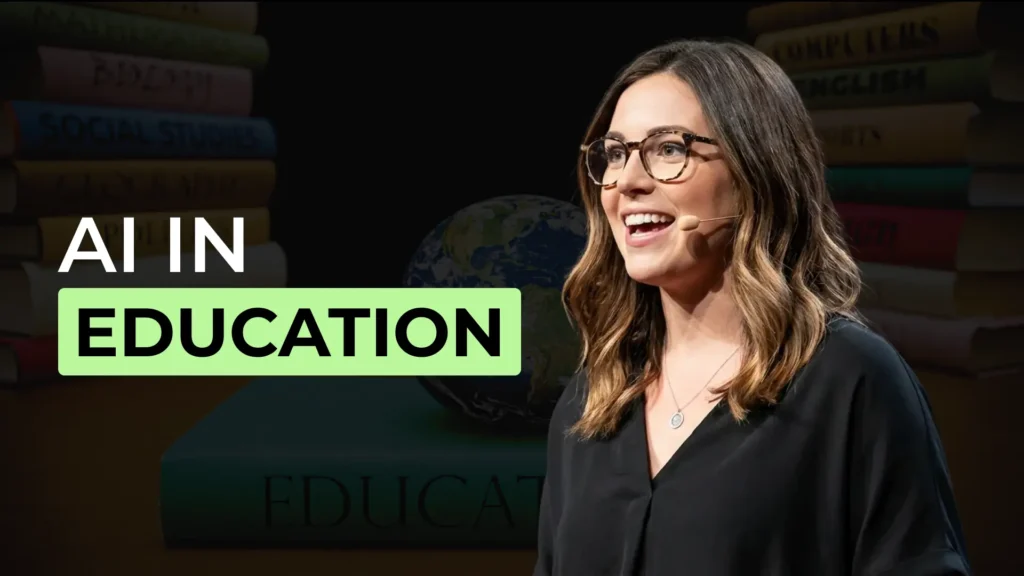
How Artificial Intelligence Is Changing Education Today
Artificial intelligence is changing education by automating routine tasks, personalising learning, and giving teachers real-time insights into student progress.
Teachers use AI to plan lessons faster. Students use it to understand topics they missed. Schools use it to reduce paperwork that used to eat up hours every week. The change is practical and visible.
What’s Changing Right Now (2024-2026)
The use of AI in education is completely changing. GenZ and Gen Alpha are integrating AI routines into their lifestyle.
Students use AI to learn, not just write
Most students utilize AI tools to simplify complex topics, rephrase explanations, or prepare for tests. It works like a personal study helper that’s always available. When used correctly, it supports learning instead of replacing it.
Teachers use AI to save time on prep
Lesson planning, quizzes, and worksheets can now be created in minutes instead of hours. Teachers still review and edit everything, but AI removes the blank-page problem. It helps them focus on teaching instead of formatting.
Feedback happens faster
AI-powered systems check practice work instantly and point out mistakes while students are still learning. This helps students correct errors early instead of waiting days for results.
School paperwork is shrinking
AI automated administrative tasks now handle attendance, scheduling, basic reports, and routine messages in many schools. This reduces admin work and gives teachers more time with students.
Learning progress is visible in real time
Teachers can see who is falling behind, who needs help, and who is ready to move ahead. This data used to come after exams. Now it shows up during learning.
AI is built into learning platforms
Most modern LMS platforms now include AI features that recommend resources, adjust difficulty, and highlight learning gaps. This happens quietly without altering the classroom structure.
Where AI is Used in Schools
AI is used across classrooms, administration, and policy systems to reduce workload and improve learning efficiency.
| Area | AI Use in Education |
| Classrooms | AI-based Quizzes, Practice Tools, Instant Feedback |
| Teachers | Lesson Planning, Grading Help, Content Adjustment |
| Students | Self Practice & Learning, Explanations like a tutor, revision support |
| Schools | Scheduling, Attendance, Reporting |
| Policy | AI Guidelines, Plagiarism checks, Integrity Tools |
The impact is simple. The machine handles repetition, and humans handle learning. The motive here is not to replace teachers. Instead, it’s to improve the learning experience for better outcomes with less stress.
Benefits of AI in Education (Pros with Clear Outcomes)
AI works in education when it solves real classroom problems. Not when it tries to replace teaching. it helps teachers manage this reality without lowering standards and boosts AI productivity in class..
Personalised Learning for Different Learning Styles
Every classroom has mixed learning speeds. AI helps teachers manage this reality without lowering standards.
- Content adjusts to student pace and level automatically
- Practice adapts based on mistakes, not averages
- Visual learners get diagrams, readers get explanations, and hands-on learners get exercises
- Learning gaps are detected earlier, before exams
Why this matters:
A 2024 OECD review found AI learning tools helped struggling students close learning gaps 20 to 30% faster when teachers used them as support. AI does not teach. It helps teachers reach students who were previously invisible.
Instant Feedback & Real-Time Support
Feedback used to take days. Now it happens during learning.
- Students see mistakes immediately and fix them while the topic is still fresh
- Teachers get live progress insights without manual checking
- Practice becomes corrective, not repetitive
- Learning delays shrink
Why this matters:
Studies from 2025 classroom pilots showed that instant feedback systems reduced repeated errors by up to 40% in math and science practice sessions. Speed improves learning when guidance is clear.
Accessibility & Inclusive Learning
AI has quietly become one of the strongest accessibility tools in education.
- Speech-to-text supports students with writing difficulties
- Text-to-speech helps reading comprehension
- Real-time translation supports multilingual classrooms
- Visual adjustments help students with attention and processing challenges
Why this matters:
UNESCO reported in 2025 that assistive AI tools increased independent task completion for students with disabilities by over 25% in supported classrooms. Accessibility is no longer a separate system. It’s built into learning.
Automation of Administrative Tasks
Teachers lose hours to paperwork. AI gives that time back.
- Grading support for routine assessments
- Attendance and scheduling are handled automatically
- Reports generated without manual formatting
- Documentation completed in minutes instead of hours
Why this matters:
In 2024, US teachers spent an average of 11 hours per week on administrative work. Schools using automation tools cut that by 30 to 40%. More time for teaching constantly improves outcomes.
Teacher Professional Development
AI also supports teachers in their daily teaching tasks.
- Lesson suggestions aligned to curriculum standards
- Resource recommendations based on class progress
- Faster planning without starting from scratch
- Reduced workload during peak weeks
Why this matters:
Schools that implemented planning support tools saw an 18% reduction in teacher burnout, according to the 2025 education workforce reports. Better support keeps good teachers in classrooms.
Challenges & Cons of AI in Education (Balanced, Policy-Safe)
AI is useful, but not neutral. Every benefit has a risk if schools ignore boundaries.
Bias in AI Systems and Algorithms
AI reflects the data it learns from.
- Biased training data can lead to unfair feedback
- Some systems misjudge non-standard learning patterns
- Cultural and language differences can be misread
What schools must do:
Human review is mandatory. AI suggestions should never be final decisions.
Data Privacy & Student Security Risks
Student data is sensitive by law and ethics.
- Learning data is stored in external systems
- Not all tools meet education compliance standards
- Lack of transparency creates risk for schools
What schools must do:
Use only tools with clear data policies, local compliance, and parental visibility.
Reduced Human Interaction
Overuse of AI creates distance. There should be limitations.
- Too much automation weakens the teacher-student connection
- Emotional support cannot be automated
- Motivation still depends on human trust
Reality check:
AI supports learning. Teachers build confidence. Combining both could lead to a win-win situation.
Over-Reliance on AI Writing & AI-Generated Content
This is the biggest concern for schools right now.
- Students may skip thinking and rely on output
- Writing skills weaken if not monitored
- Academic integrity becomes harder to enforce
Solution:
Schools must teach how to use AI responsibly, not pretend it doesn’t exist. Nurturing is necessary.
Limitations of AI in Education
AI is powerful, but flawed.
- It can sound confident and still be wrong
- It struggles with context and nuance
- It depends on clean, accurate data
- It cannot replace judgment or values
Final truth:
AI improves education when it supports teaching, not when it tries to automate it.
Top 14 AI Tools in Education 2026: For Teachers, Students, & Administrations
AI tools are already part of daily school life as support systems. The tools listed below are widely used, reviewed, and tested in classrooms. Each one solves a specific frustration that educators, learners, and management face today.
AI Tools for Teachers (Planning, Grading, and Classroom Support)
For teachers looking for the best AI tools in the market today:
- ChatGPT (Education Use) – Lesson Support & Explanations
Teachers use ChatGPT to speed up everyday tasks: drafting lesson outlines, simplifying complex topics, generating examples, and creating practice questions. Used correctly, it saves time without replacing professional judgment.
Why teachers use it
- Reduces planning time
- Helps rephrase content for different learning levels
- Supports quick classroom explanations
Main caution: always review outputs before using with students.
- Gradescope – Faster, Fairer Grading
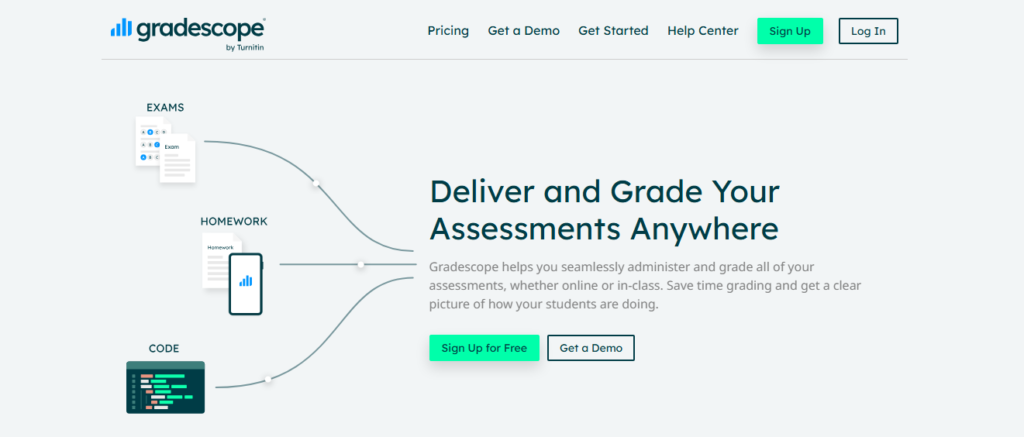
Gradescope is widely used in universities and secondary schools for one reason: it cuts grading time while improving consistency. It groups similar answers, helps spot learning gaps, and supports both handwritten and digital work.
Where it helps most
- Large classes
- Exam-heavy subjects
- Objective and short-answer grading
- Canva for Education – Visual Teaching Made Simple
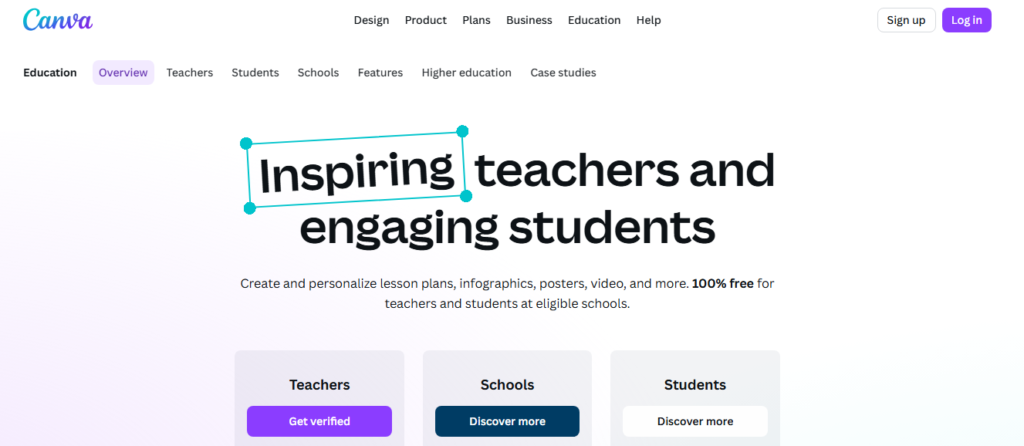
Canva’s education version is popular because teachers can create worksheets, slides, posters, and classroom visuals in minutes. AI features help format content, not replace teaching.
Best for
- Visual learners
- Presentation-based lessons
- Student projects
- MagicSchool.ai – Teacher Workflow Automation
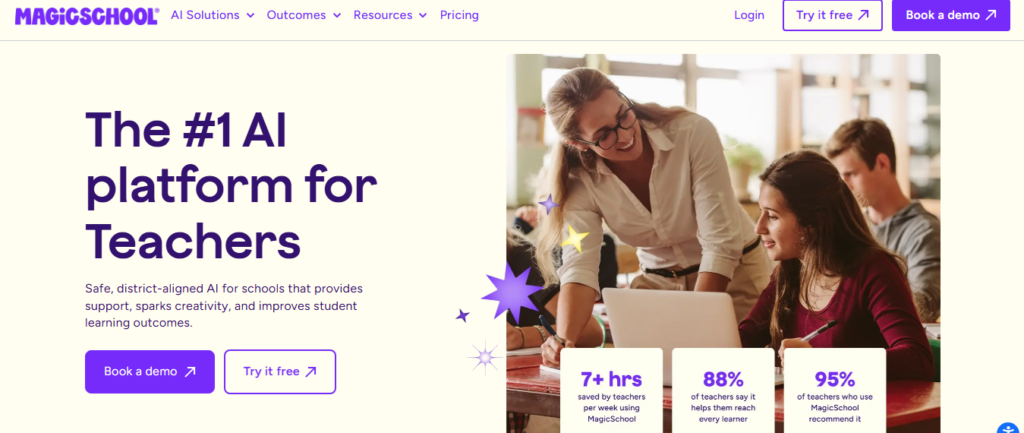
MagicSchool is built specifically for educators. It helps create rubrics, exit tickets, IEP supports, and differentiated tasks aligned with curriculum goals. Teachers report using it mainly to reduce prep stress.
AI Tools for Students (Learning, Practice, and Feedback)
Students, especially the GenZ and Gen Alpha league, can trust these AI-powered tools:
- Khanmigo (Khan Academy) – Guided AI Tutor
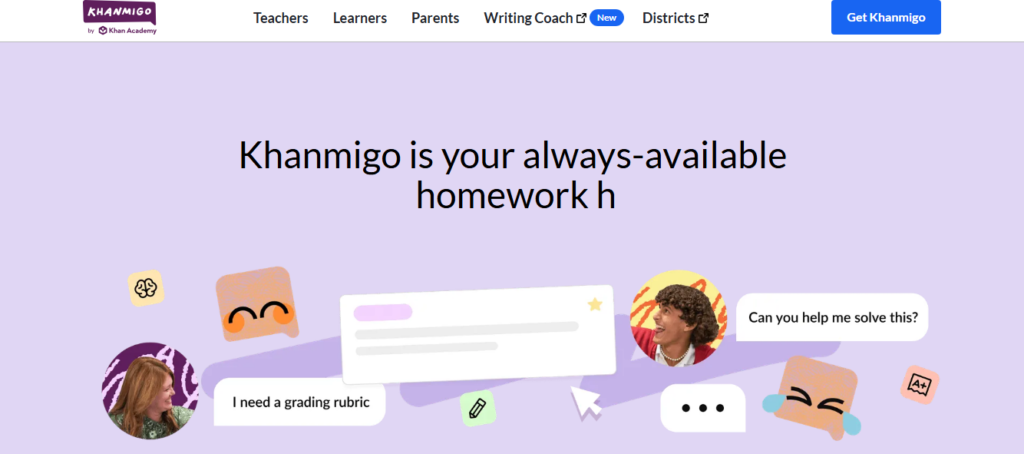
Khanmigo acts like a patient tutor. It walks students through problems step by step. This is why it’s approved in many school districts.
Best for
- Math and science practice
- Students who need extra help outside of class
- Self-paced learning
- Wayground AI – Instant Checks for Understanding
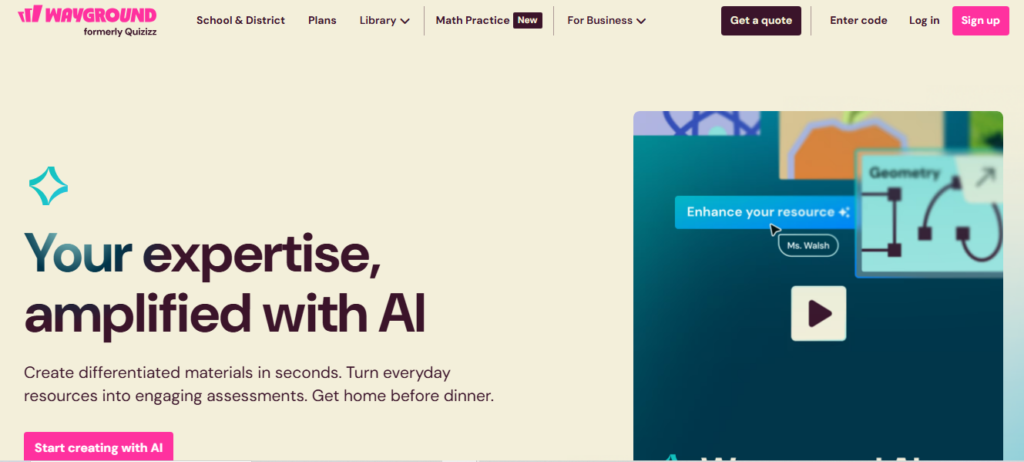
Wayground generates quizzes and practice questions from lesson material. Students get immediate feedback, while teachers see who is struggling in real time.
Why it works
- Keeps students engaged
- Reduces guessing
- Helps teachers adjust lessons quickly
- GrammarlyGO – Writing Support (Not Writing Replacement)
Students use Grammarly to improve clarity, grammar, and structure. Teachers use it to help students focus on ideas instead of mechanics. Used properly, it improves writing quality without removing thinking.
- Praktika.ai – Speaking Practice for Language Learners
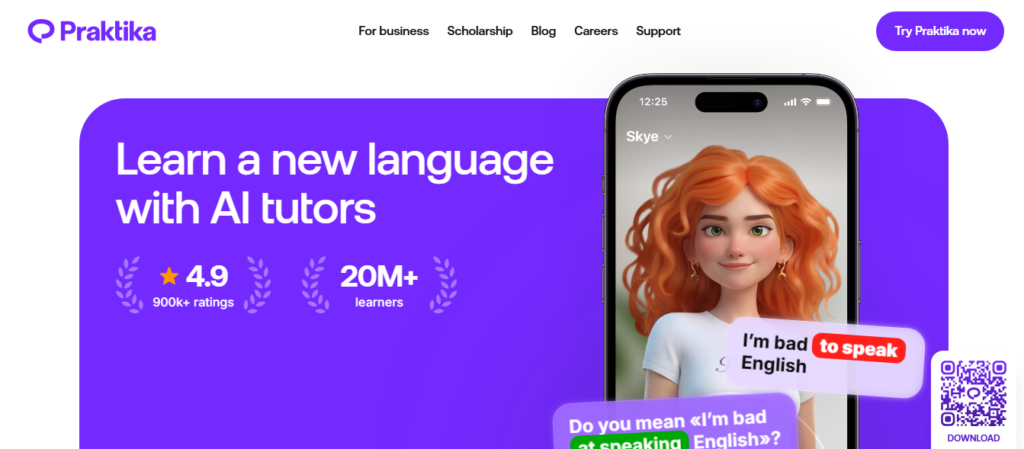
Praktika One of the hardest parts of learning a language is speaking. Praktika gives students a safe place to practice conversations, pronunciation, and listening.
- Perusall – Collaborative Reading & Engagement
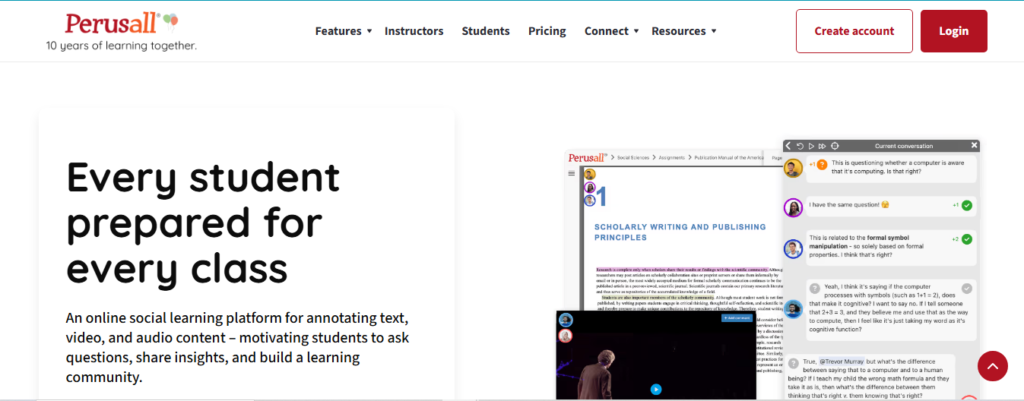
Perusall lets students annotate readings together and discuss content within the text. Schools use it to increase participation and reading completion, especially in higher grades.
- Monsha – Curriculum & Resource Creation
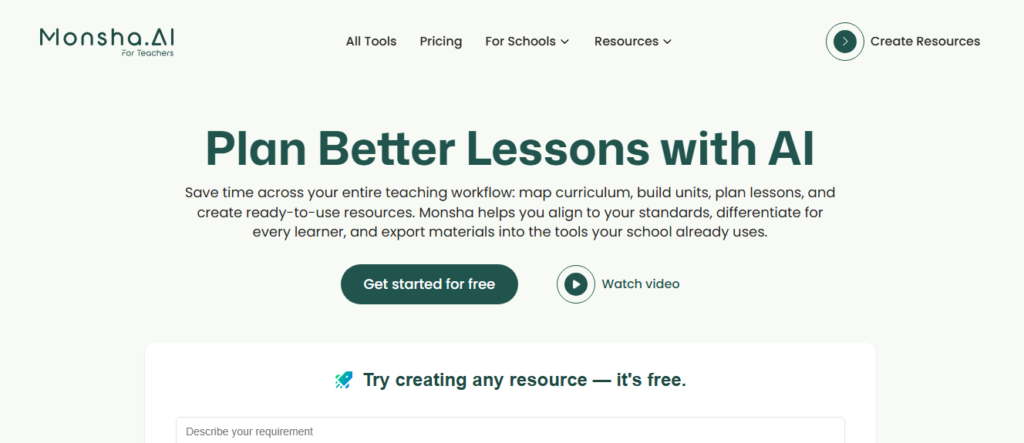
Teachers and schools use Monsha to generate worksheets, assessments, and reading materials aligned with learning objectives. It’s beneficial for mixed-ability classrooms and multilingual environments.
AI Tools for Schools & Administrators
Administrations staff of schools have important responsibilities adn they can rely on these AI tools:
- PowerSchool AI – Student Data & Compliance Support
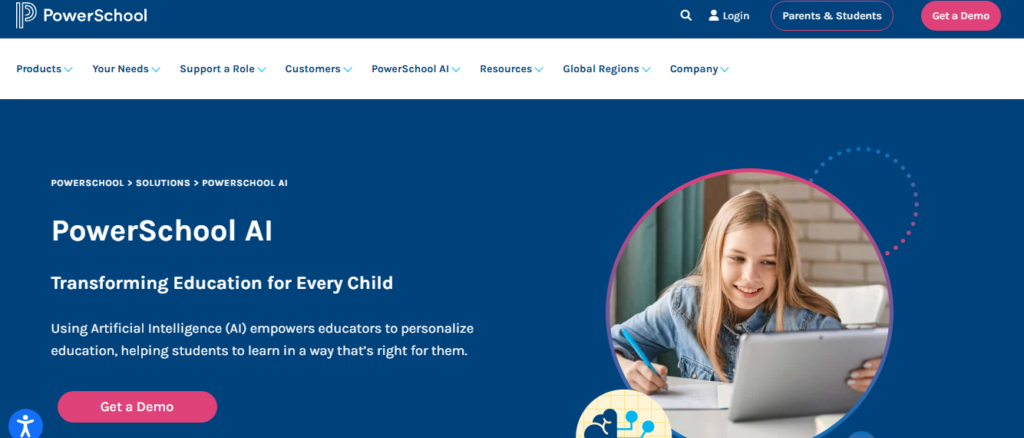
PowerSchool AI helps admin teams spot attendance issues, missing records, and reporting gaps before they become problems. Public schools and districts widely use it because it reduces last-minute errors and manual reporting stress.
Best for
- Attendance and compliance reporting
- Student data management
- District-level reporting accuracy
- Ellucian AI – Enrollment & Resource Forecasting
Ellucian is used mainly in colleges and universities to forecast enrollment, identify retention risks, and plan resources. It helps leadership make planning decisions based on real patterns.
Best for
- Enrollment planning
- Retention analysis
- Long-term resource management
- Microsoft Copilot (Education Admin Use) – Reports & Internal Communication
Admin teams use Copilot to summarise reports, draft policies, and prepare updates for leadership and parents. It reduces time spent on repetitive writing and internal documentation.
Best for
- Policy drafting and summaries
- Internal reports and memos
- Admin communication workflows
- SchoolAI – Safe Communication & Documentation
SchoolAI helps administrators create parent messages, internal updates, and summaries while staying within education guidelines. It’s often used by schools that need safe, controlled AI support.
Best for
- Parent communication
- Internal documentation
- Policy-safe writing tasks
How These AI Tools Are Used in Schools (2026)
The following table shows the usage of AI tools in the education sector and the problems they solve at each level:
| User Group | Tools Commonly Used | What They Actually Solve |
| Teachers | ChatGPT (Education), Gradescope, Canva for Education, MagicSchool.ai, Monsha | Reduces lesson prep time, speeds up grading, improves consistency, simplifies differentiation, and removes repetitive planning work |
| Students | Khanmigo, Wayground AI, GrammarlyGO, Praktika.ai, Perusall | Fills practice gaps, gives instant feedback, improves writing and speaking, supports self-paced learning, and increases engagement |
| Schools (Classroom Level) | Perusall, Monsha, Wayground AI | Improves participation, standardizes learning materials, supports mixed-ability classrooms, and scales content creation |
| Admin Teams & Leadership | PowerSchool AI, Ellucian AI, Microsoft Copilot, SchoolAI | Reduces reporting errors, improves data oversight, supports compliance, speeds up communication, and enables better planning decisions |
How Teachers and Students Should Use AI Responsibly
Responsible AI use in education means using AI for support, not decision-making, and ensuring every output is reviewed by humans. Teachers and students should use AI in ways that protect thinking, fairness, and trust inside classrooms. Since AI is not the decision maker and needs human guidance. Everyone should understand this.
For Teachers
Use AI as a teaching assistant, not a replacement
AI can help prepare lesson drafts, quizzes, or practice tasks, but final decisions should always come from teachers.
Review all AI-generated materials before use
AI tools can make confident mistakes. Every worksheet, explanation, or quiz must be checked for accuracy, bias, and clarity before it reaches students.
Teach AI literacy as part of learning
Students need to understand what AI can and cannot do. When teachers explain how AI works, where it fails, and how to question its output, students become better thinkers instead of passive users.
For Students
Use AI to understand, not to skip thinking
AI should help explain concepts, give practice, or show different ways to solve a problem. Using it to copy answers weakens learning and creates long-term gaps.
Ask “why” before accepting answers
Students should question AI responses the same way they question textbooks or websites. Understanding the reason behind an answer matters more than the answer itself.
Verify important information
AI can be wrong, especially with facts, dates, or complex topics. Students should confirm information using class notes, trusted sources, or teachers before submitting work. Responsible use keeps AI a learning tool instead of a shortcut.
AI in Education Policy & Governance
Schools now treat AI as a high-risk system. Policies focus on transparency, consent, and human oversight. Most governments require review before AI affects grading, placement, or discipline.
Schools are creating clear AI use guidelines
Most school systems now publish rules that explain where AI is allowed and where it is not. These guidelines cover teaching, assessment, administrative use, and student work.
In 2024-2025, education authorities in the US, UK, EU, and Australia released national frameworks to guide schools on safe AI adoption (US Department of Education, UK DfE, UNESCO).
Transparency and consent are now expected
Schools must inform parents and students when AI systems are used. This includes what data is collected, how it is stored, and who has access.
UNESCO’s 2024 guidance on AI in education explicitly requires informed consent and data minimisation for student-facing tools.
Human review remains mandatory
AI can support grading and feedback, but teachers must review final decisions. Many districts now require human approval for grades, placement, and disciplinary actions.
The OECD and EU AI Act both classify education-related AI as high-risk, which makes human oversight a legal requirement.
Clear rules for AI-generated content
Schools are defining how AI-written work should be used, cited, or limited. The goal is not banning tools, but protecting learning and academic integrity.
Several universities and K-12 boards now include AI use policies in their academic honesty codes (2025 updates).
Ongoing training is essential for staff
Teachers and administrators receive regular training on responsible AI use, data protection, and classroom integration.
The US Department of Education recommends continuous professional development for any school using AI tools.
Schools that combine clear policies, human oversight, and staff training reduce risk while keeping innovation possible. This is now the global standard for responsible AI use in education.
Daily AI Tools Verdict
AI is not here to replace teachers, classrooms, or real learning. It’s here to remove the wasted hours, the repetitive work, the invisible learning gaps that humans alone struggle to manage at scale.
When used with care, AI gives teachers more time to teach, students more support to learn, and schools more clarity to make better decisions. It helps the quiet student get noticed, the overwhelmed teacher breathes, and the struggling learner catches up before falling behind.
But when AI is used without rules, guidance, or limits, it does the opposite. It weakens thinking, blurs responsibility, and creates distance where trust should exist. That’s the line schools must not cross.
The future of education is not AI-led. It’s human-led, AI-supported. The schools that win with AI are the ones that keep humans in control.