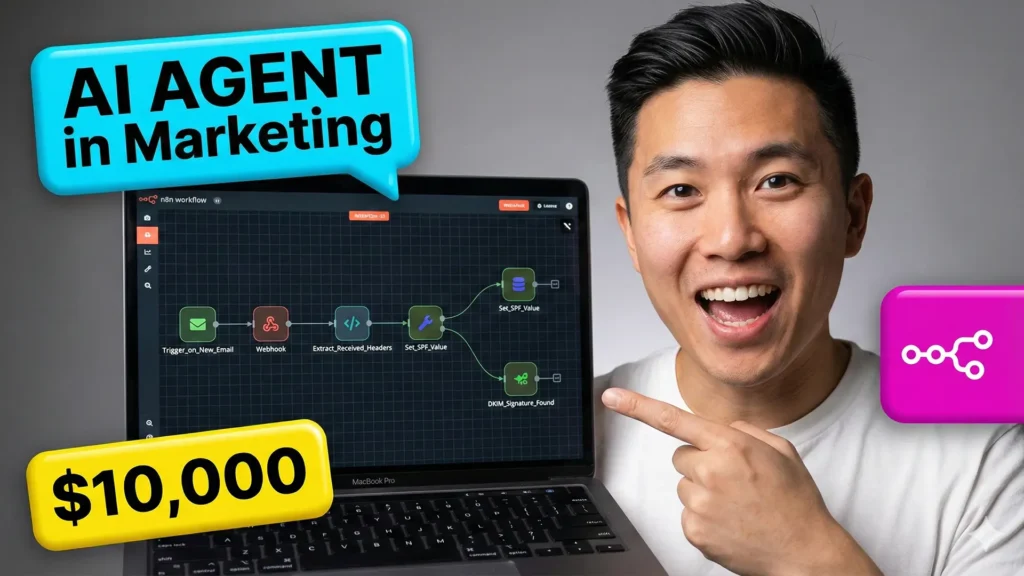
AI agents in marketing are AI-powered systems that execute specific marketing tasks autonomously while operating under human-defined goals and controls. They use data, AI models, and feedback loops to optimize campaigns, audience targeting, and customer journeys over time.
In 2026, the highest-performing AI agents will not replace marketers. They work alongside human teams, where strategy, approvals, and accountability remain firmly human-led.
Marketing didn’t jump straight to agents. It evolved from tools to workflows to systems that can act across multiple steps. That shift matters because agentic AI goes beyond basic automation.
Instead of assisting with isolated tasks, AI agents manage connected workflows, adjust actions based on results, and continuously learn.
This guide explains how AI agents are actually used in modern marketing teams, where they deliver value, where they fall short, and how teams adopt them without losing control.
What Are AI Agents in Marketing?
AI agents in marketing are systems designed to handle marketing tasks. They use artificial intelligence to carry out work like campaign optimization, audience targeting, or content creation. Instead of waiting for prompts, AI agents work within clear limits and improve through feedback.
From Automation to Agentic AI
Traditional automation
- Runs on fixed rules
- Performs predefined actions
- Breaks when conditions change
Useful for stable tasks, but ineffective when customer behavior shifts.
AI-powered marketing tools
- Support humans with content or insights
- Focus on single outputs
- Require frequent prompts
- Don’t learn from past performance
They save time, but still depend heavily on manual direction.
Agentic AI systems
- Operate with clear goals
- Execute tasks across multiple steps
- Learn through feedback loops
- Adapt based on audience and performance data
Agentic AI manages repetition and scale, freeing human teams to focus on strategy and brand judgment.
How AI Agents Work Behind the Scenes
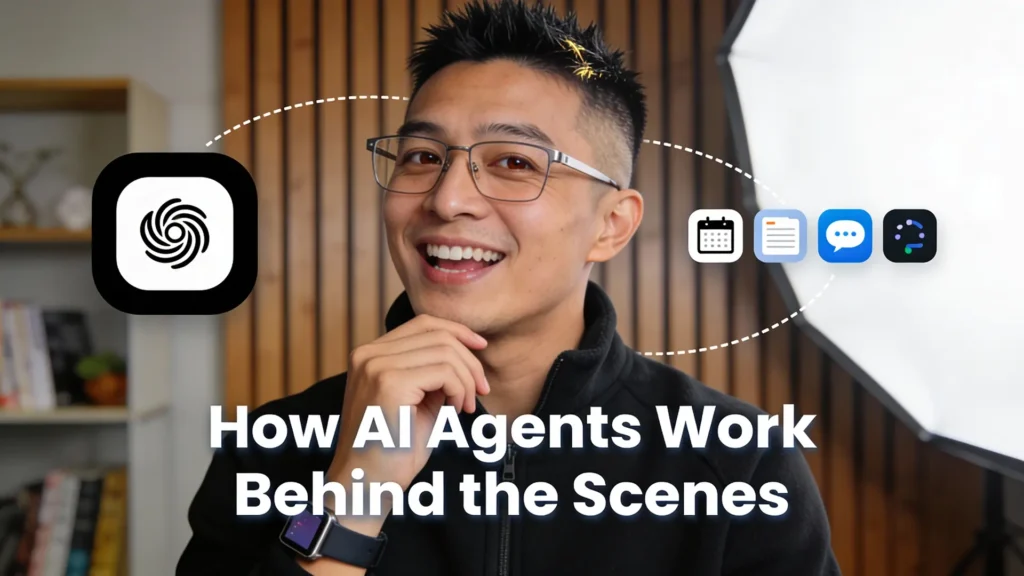
AI agents operate using layered AI systems working together:
- Large language models interpret goals, instructions, and context
- Supporting AI models to analyze performance, customer journeys, and trends
- Feedback loops allow the system to adjust actions based on results
This setup allows AI agents to work continuously while humans retain control over strategy, ethics, and final decisions.
How AI Agents Operate Inside Real Marketing Teams
AI agents do not function alone. In actual organizations, they are part of human teams, adhering to well-defined rules and common objectives. The most effective outcomes occur when artificial intelligence supports decision-making rather than substitutes for it.
Human-in-the-Loop vs Fully Autonomous Agents
Why full autonomy fails in marketing
Marketing isn’t only about data and speed. It involves brand voice, trust, and public perception. Fully autonomous agents can optimize metrics but miss context.
Where human review is non-negotiable
Human teams must stay involved in areas like:
- Brand messaging and tone
- Public-facing campaigns
- Sensitive audience segments
- Final approvals on live content
Guardrails, not micromanagement
High-performing teams don’t control every step. They define guardrails.
- Clear goals and limits
- Approved messaging rules
- Ethical and legal boundaries
Marketing Tasks AI Agents Handle Best
AI agents shine when work is repetitive, data-heavy, or difficult to scale manually.
- Handling repetitive tasks like reporting and scheduling
- Analyzing performance across multiple channels at once
- Detecting patterns in customer behavior, humans can’t track consistently
Where AI Agents Fit Across the Customer Journey
AI agents add value at different stages of the customer journey by supporting speed, consistency, and learning.
Top-of-Funnel
At the early stage, AI agents help explore and test.
- Discover new audience segments
- Experiment with messaging and formats
- Identify early engagement signals
This makes learning quicker and easier without adding extra work.
Mid-Funnel
As users show interest, agents focus on improvement.
- Campaign optimization across channels
- Conversion rate testing on pages and ads
- Adjusting spend and messaging based on performance
Results improve faster because feedback loops run continuously.
Retention & Experience
AI agents also support long-term customer experiences.
- Assist with personalization based on past behavior
- Maintain consistent communication across touchpoints
- Help teams understand churn and loyalty patterns
Used correctly, AI agents strengthen relationships while humans shape the experience.
Top AI Agents and Their Use Cases in Marketing for 2026
Before we get into tools, one thing needs to be clear. There is no single “best” AI agent for marketing. What works depends on three factors:
- The task you want to automate
- The quality of your data
- How much human control do you keep in the loop
Most AI agents encounter issues because teams are expecting them to make independent decisions in situations that actually need careful judgment. By understanding this, we can better support their effective use.
Below are the AI agent categories that actually perform in real marketing environments and the tools teams are using in 2026.
AI Agents for Campaign Optimization
These agents focus on improving live campaigns without waiting for manual reviews.
They work best when campaigns already have traffic and conversion data.
What they handle well:
- Paid ad optimization across Google, Meta, and TikTok
- Email subject line and timing tests
- Multi-channel budget rebalancing
How they help: AI agents monitor campaign performance in real time. When cost-per-click spikes or conversions drop, they adjust bids, pacing, or creative rotation based on predefined rules.
Common tools & platforms:
- Google Performance Max (agent-driven bidding)
- Meta Advantage+
- Salesforce Marketing Cloud AI
- HubSpot AI optimization tools
These agents are here to support strategists. These examples reflect commonly used platforms in 2026, not endorsements.
AI Agents for Audience Segmentation & Targeting
Segmentation is where agentic AI quietly outperforms manual work. Humans define the audience’s logic. AI agents handle the scale.
Typical use cases:
- Behavioral clustering based on real user actions
- Dynamic lifecycle segments (new, active, at-risk)
- Intent-based targeting across channels
Why this works: AI agents analyze patterns across thousands of data points that marketing teams can’t process manually. They update segments continuously as behavior changes.
Common tools & agents:
- Salesforce Einstein
- Adobe Experience Platform AI
- Customer.io with AI-driven segmentation
- Relevance AI
This directly improves relevance, which improves conversion rates.
AI Agents for Content Support (With Brand Control)
Content agents are useful, but only when humans approve the output. Fully autonomous content is where brands get into trouble.
Where AI agents help:
- Drafting blog outlines and ad variations
- Repurposing long-form content into social formats
- Supporting content creation workflows
Where humans stay involved:
- Brand voice
- Claims and compliance
- Final publishing decisions
Common tools used:
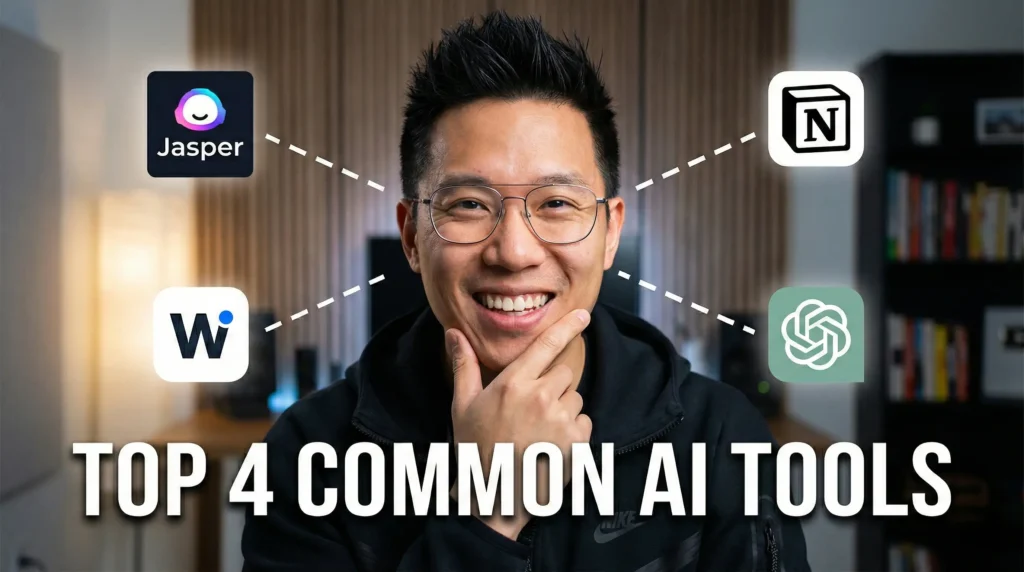
- Jasper (brand-trained workflows)
- Writer.com
- Notion AI for content operations
- Custom GPT-style agents trained on brand guidelines
AI supports content creation. Humans protect credibility.
AI Agents for Customer Experience & Engagement
These agents operate at the front line of the customer journey. Speed matters more than creativity here.
High-performing use cases:
- First-touch chatbot responses
- Lead routing to sales or support teams
- Basic support triage and FAQ handling
Why they work: AI agents reduce response time without pretending to be human. When queries get complex, they escalate instead of guessing.
Popular tools:
- Intercom AI
- Zendesk AI agents
- Drift conversational AI
- HubSpot Service Hub AI
This improves customer experiences without damaging trust.
AI Agents for Marketing Analytics & Insights
This is where AI agents save the most time. Not by replacing analysts, but by reducing noise.
What they do well:
- Monitor campaign performance across platforms
- Detect anomalies before humans notice
- Summarize insights in plain language
Tools teams rely on:
- Google Analytics 4 (AI insights)
- Looker with AI summaries
- Tableau AI
- Custom LLM-based reporting agents
Instead of digging through dashboards, teams focus on decisions.
AI Agents for Workflow & Task Coordination
These agents don’t touch campaigns directly, but they keep teams moving. They reduce operational friction, not creative work.
Common use cases:
- Cross-team task coordination
- Automated handoffs between marketing and sales
- Status tracking across tools
Tools used in practice:
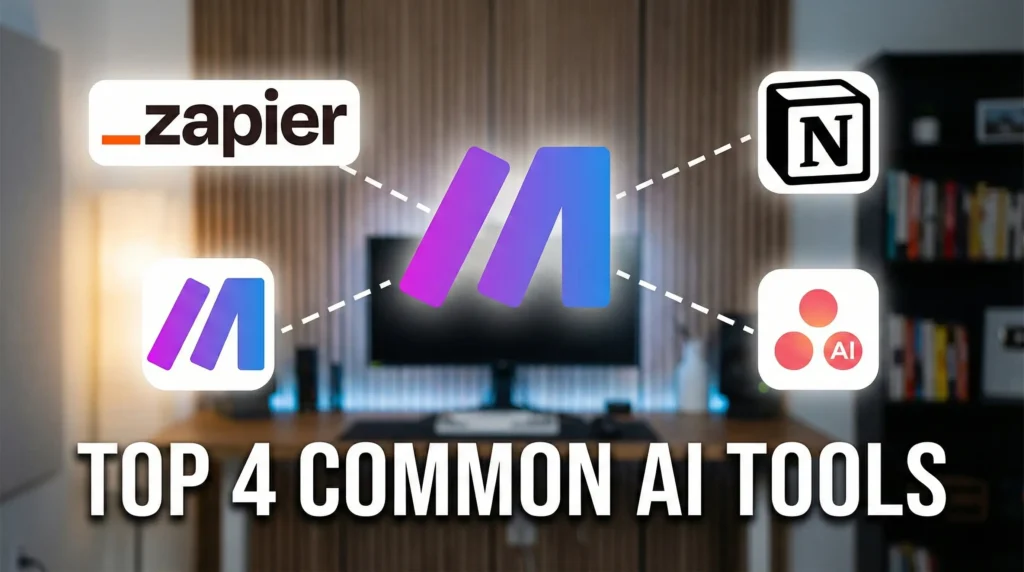
- Zapier AI agents
- Make.com
- Notion workflows with AI
- Asana AI
They don’t improve the intelligence of marketing; they accelerate its pace.
Why This Setup Actually Works in 2026
The best-performing marketing teams don’t chase autonomy. They:
- Assign AI agents specific marketing tasks
- Keep humans responsible for strategy and judgment
- Use agentic AI where repetition and data volume matter
What Marketing Teams Learn After 90 Days of Using AI Agents
The first months with AI agents often feel both promising and confusing. Teams expect instant gains. What they experience instead is friction before flow. This doesn’t mean the agents failed. It means the system is still settling into real operations.
Here’s what most marketing teams figure out once the honeymoon phase ends.
Too Much Automation Too Soon Creates More Work
Many teams automate too quickly. They give AI agents too much control before defining limits. Ads go live without review. Emails drift off-brand. Reports pile up waiting for approvals.
High-performing teams reset early. They use AI agents for setup, analysis, and repetition, not final decisions. Once humans stay in control, workflows feel lighter.
Data Quality Limits AI Agents More Than Technology
Most performance issues don’t come from artificial intelligence itself. They come from messy inputs.
When audience data is incomplete, analytics don’t match across platforms, or campaign naming isn’t consistent, AI agents struggle to make sense of anything.
No agentic AI system can fix poor data on its own. Teams that clean their tracking, segments, and reporting early see better results than teams constantly switching marketing tools.
Clear Approval Rules Matter More Than Smarter Agents
Even the best AI agents fail without boundaries. If a team doesn’t define:
- which marketing tasks the agent can execute
- where human teams must review
- who approves the final outputs
The result is that work piles up instead of flowing. Teams that succeed don’t micromanage agents. They set guardrails.
ROI Shows Up in Operations Before Creativity
This surprises most marketers. AI agents don’t instantly create better campaigns. They make processes smoother first. Teams notice:
- fewer missed steps
- faster campaign launches
- clearer performance tracking
Creative improvements come later, once the system stabilizes. That’s how agentic AI earns trust inside marketing teams.
Benefits of AI Agents in Marketing (What Teams Really Gain)
When AI agents are used the right way, the benefits are practical. What advantages a team will get are:
Faster Execution Without Losing Control
AI agents handle repetitive tasks like data syncing, performance checks, and workflow handoffs. Marketing teams stop chasing updates and start acting on them. Speed improves without chaos.
Scale Without Burning Out Human Teams
As campaigns expand, manual efforts increase significantly. AI agents handle repetitive tasks quietly in the background, allowing human teams to concentrate on strategy, creative development, and decision-making. This approach enables scalable output without leading to burnout.
Better Decisions Through Pattern Detection
AI agents identify patterns that humans can’t detect manually. They reveal changes in performance, overlaps among audiences, and early warning signs across multiple channels. Marketing teams still make decisions, but they do so more quickly and with more context.
More Consistent Marketing Operations
AI agents don’t forget steps or skip checks. This brings consistency across campaigns, reporting, and customer experiences, especially useful for growing teams managing multiple channels.
Limitations and Risks of AI Agents in Marketing
AI agents can be powerful. They can also create problems when teams expect too much from them. Understanding where AI agents fall short is just as important as knowing what they do well.
Where AI Agents Still Fail
AI agents don’t understand brands the way people do. They learn from data and patterns, not lived context. That creates a few common risks.
Brand misalignment
AI agents can stick to tone guidelines, but they don’t quite capture the brand’s little nuances. Without a review, messages might drift off or come across as generic, especially when creating content or engaging with customers.
Data bias and blind spots
AI agents reflect the data they’re trained on. If audience data is skewed or incomplete, targeting and recommendations suffer. This is common in early-stage teams or accounts with limited historical data.
Over-automation risks
Letting AI agents execute too many marketing tasks without checks often backfires.
Errors spread faster. Small mistakes scale quickly. Automation saves time only when boundaries are clear.
Why Human Judgment Still Matters
AI agents don’t replace thinking. They support it. Humans bring things AI cannot.
Context
AI agents don’t know why a campaign exists or how it connects to business goals unless someone defines it clearly.
Ethics and responsibility
Decisions about fairness, transparency, and customer trust stay human-led. AI follows rules. People set them.
Strategic direction
AI agents can optimize paths. They cannot choose the destination.
Marketing still needs people who understand markets, timing, and long-term positioning.
AI Agents vs Traditional Marketing Tools
This is where many teams get confused. AI agents are not just “better tools.” They work differently.
Understanding the Actual Breakdown of Roles
Traditional marketing tools
- Assist with specific tasks
- Require manual setup and constant input
- Output data or suggestions
AI agents
- Execute defined marketing tasks
- Operate across systems
- Adjust actions using feedback loops
Humans
- Decide goals
- Approve actions
- Stay accountable
Key Differences That Matter in Practice
Speed
AI agents act faster because they don’t wait for prompts. Traditional tools wait for commands.
Accuracy
Tools give reports. Agents interpret patterns, but only within limits set by humans.
Control
Traditional tools offer full manual control. AI agents require guardrails to stay aligned.
Risk
Tools fail quietly. Agents fail at scale if unchecked.
The best teams don’t replace tools with agents. They combine both and keep humans in charge.
When AI Agents Make Sense And When They Don’t
AI agents are useful only in the right setup. They’re not a shortcut, and they don’t magically fix messy marketing teams.
AI Agents work best when there’s steady work to handle. Think of ongoing campaigns, regular reporting, or repeatable tasks. If your data is clean and your tools already talk to each other, agents can save real time.
Moreover, they also work better when someone is clearly in charge. Not micromanaging, but deciding what the agent is allowed to do and where it must stop.
Where they struggle is just as important. If your strategy keeps changing every week, agents get confused fast. If data is scattered across tools, results get unreliable.
And if teams chase autonomy just to “use more AI,” performance usually drops. AI agents don’t hide problems. They surface them.
How to Choose the Right AI Agent for Your Marketing Team
Most teams pick agents the wrong way. They start with features instead of needs. Before anything else, ask what job you’re actually handing off.
One task. One outcome. The clearer this is, the better the agent performs.
Next, look at the data. If the agent depends on messy inputs, no model will save it. Clean data beats advanced features every time.
Human approval also matters more than people expect. Decide early where reviews happen, especially for anything public-facing like ads, emails, or content.
And finally, be honest about ROI. Don’t measure success by how much the agent produces. Measure how much time it saves, how many errors it reduces, and whether workflows feel smoother. That’s where real value shows up.
Common Mistakes Companies Make With AI Agents
The biggest mistake is treating agents like employees. They don’t understand priorities unless you define them clearly.
Another common issue is removing human review too early. Teams chase speed, then spend weeks fixing brand or messaging problems later.
And many companies focus too much on autonomy. Being “AI-driven” sounds good, but impact matters more than independence. If the agent isn’t making work better, faster, or cleaner, it’s not helping.
The Future of AI Agents in Marketing (2026-2030)
What’s coming next isn’t louder or flashier AI. AI agents are settling into the background. They’re becoming part of the system.
Fewer black-box tools. More explainable actions. More control for teams. The biggest future results will come from agents that support planning, execution, and operations quietly, without constant supervision.
The winning teams won’t be the most automated. They’ll be the most coordinated.
Daily AI tools Verdict
AI agents are most effective when they execute well-defined tasks under human oversight. For marketing teams with stable data, repeatable workflows, and clear ownership, AI agents are a practical upgrade. For teams still fixing fundamentals, they should come later.