The best AI tools for SEO include Surfer SEO for content, Semrush for keywords and competition, Ahrefs for links, MarketMuse for topical depth, and ChatGPT (used carefully) for ideation clarity. These tools perform best when used to support SEO decisions, not automate rankings.
With AI integrations, SEO Is Not Dead. It’s just more disciplined now. Search engines in 2026 reward useful content, clear intent, and real expertise. AI-powered SEO tools are designed to boost productivity. The right way is to use AI with human smartness to get high seo scores.
Pages built only with AI content and no strategy are losing visibility. Pages optimized with AI tools and human judgment are still ranking.
Because AI now supports SEO. It doesn’t replace it. At Daily AI Tools, we don’t chase tool hype or promise shortcuts. We test how AI platforms actually behave inside real SEO workflows like keyword research, content creation, internal links, and optimization.
This guide will provide answers for what works in live SERPs, how SEO specialists use AI without wasting time, and which tools improve results instead of creating risk.

How AI SEO Has Changed in 2026 (What’s Different Now)
AI SEO in 2026 looks very different from a year ago. The biggest shift is intent clarity over content volume. Search engines now evaluate:
- Whether the content answers the search intent
- How well pages are structured and linked
- If AI is helping optimize content or flooding it
Key changes shaping AI SEO today:
- AI Overviews reduce clicks on weak pages
- Thin AI content is filtered faster
- Internal links matter more for topical authority
- AI-powered tools work best in real time, not batch publishing
AI platforms are still valuable, but only when they help:
- Refine search intent
- Improve content quality
- Support smarter optimization decisions
In short, AI SEO didn’t disappear. It matured.
What Makes an AI SEO Tool Relevant in 2026?
A useful AI SEO tool helps you make better decisions. Search engines reward clarity, structure, and intent alignment. Tools that only generate AI content without context now create more risk than value.
The tools that still matter do a few things well:
- Support search intent clarity, not keyword stuffing
- Help optimize existing pages, not just create new ones
- Improve internal links in a logical, human-readable way
- Work inside human review loops, not full automation
- Provide real-time insights, not static or generic scores
But if you have the right AI SEO tools, they will:
- Help SEO specialists decide faster without guessing
- Reduce manual workload while keeping full control
- Prevent publishing low-trust, low-value AI content
If a tool pushes content without review, it’s already outdated.
Best AI Tools for SEO 2026 as per Use Case
The best AI seo tool is the one that is one problem solver oriented. It means that if you are facing user intent issues, the tools only clear this issue, not go beyond another.
For the best use case understanding and knowing which tools are best as per scenario, the following research will be very helpful for you:
AI Tools for Keyword Research & Intent Mapping (2026 Standards)
Keyword research in 2026 is about intent structure. How topics connect, overlap, or compete. What matters now is:
- Intent clustering over raw keyword volume
- AI-assisted SERP interpretation
- Detecting overlap, cannibalization, and content gaps
Semrush (Intent + SERP modeling)
Semrush remains strong in keyword research because it now focuses on search intent layers. Its AI-powered tools help map keywords into commercial, informational, and navigational intent while showing where pages overlap. SEO specialists use it to spot cannibalization early and avoid wasting time publishing duplicate intent pages.
Ahrefs (Gap detection + market context)
Ahrefs AI excels at identifying content gaps and competitive overlap. It’s widely used to see where competitors rank for shared intent while your site doesn’t. The tool doesn’t automate strategy, but it gives clean data that supports smarter decisions.
Keyword Insights (Clustering-first workflows)
Keyword Insights is built specifically for intent clustering. It groups keywords based on how search engines interpret meaning, making it useful for planning content hubs and reducing overlap. This AI tool is often used before content creation even begins.
Best for: keyword research, AI-powered intent mapping, search intent clarity
AI Tools for Content Optimization (Not Content Spam)
AI content does not rank by default. Optimized content does. The strongest tools now focus on improving what already exists, not replacing writers.
Clear distinction
- AI content ≠ ranking content
- Optimization beats generation in 2026
What optimization tools focus on
- NLP balance without keyword stuffing
- Readability control for real users
- Contextual internal links that support topic flow
- Content refreshing for aging pages (high-impact in 2026)
Surfer SEO (On-page structure tuning)
Surfer is used to optimize content against SERP patterns. AI helps content writers balance NLP terms naturally, improve headings, and fix over-optimization. Many teams use it directly inside Google Docs to refine existing pages.
MarketMuse (Depth and topical authority)
MarketMuse focuses on content depth. It identifies missing subtopics, weak coverage, and opportunities to strengthen authority. The AI tool is commonly used for content refreshing and long-term optimization strategies.
Frase (Search-driven content alignment)
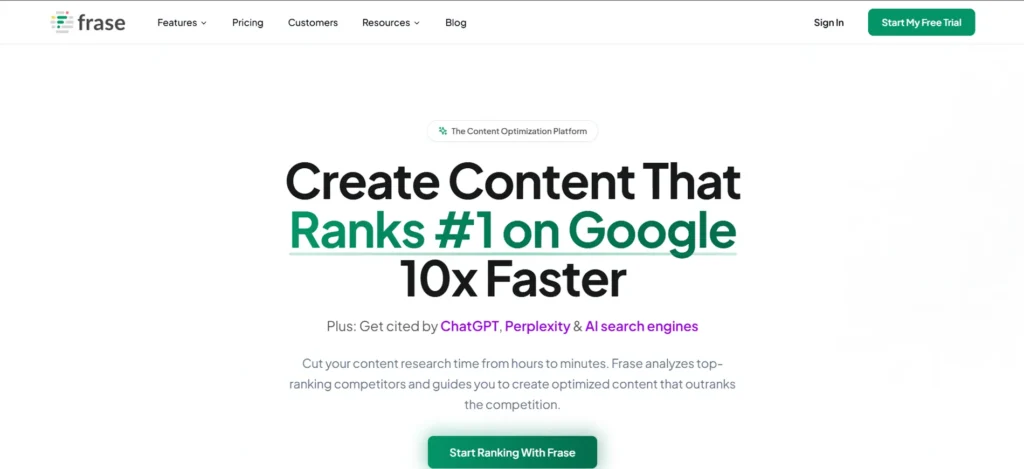
Frase helps align content with what users actually ask in search engines. It’s often used to optimize FAQs, featured snippet sections, and intent-matching paragraphs rather than generating full articles.
Best for: optimize content, AI optimization, Google Docs workflows, content writer support
AI Tools for Internal Linking & Site Structure
Internal links are no longer manual. AI-assisted internal linking has become a real competitive edge. Done right, it improves:
- Crawl efficiency
- Topic authority
- Page priority signaling
What modern tools handle
- Smart anchor text selection
- Priority page mapping
- Content hub reinforcement
Link Whisper (Contextual internal linking)
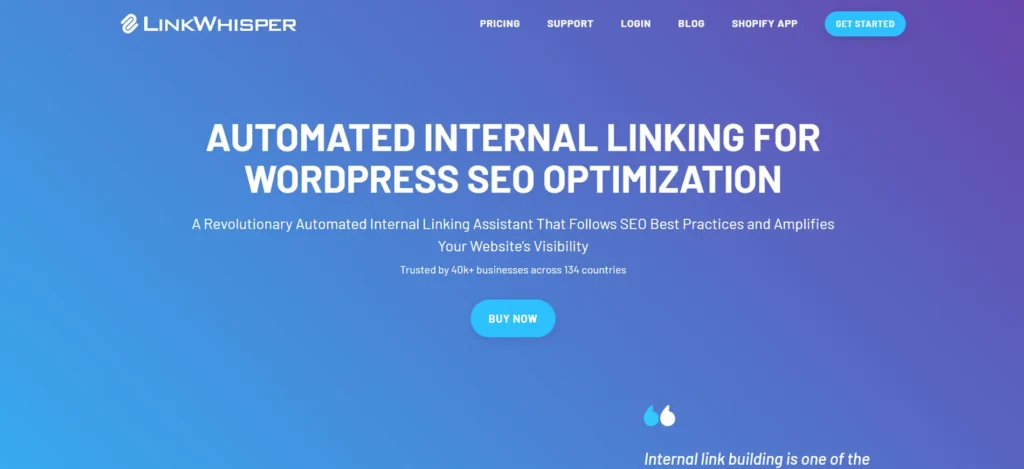
Link Whisper uses AI to suggest internal links based on topic relevance, not keyword matching alone. It’s widely used to clean up orphan pages and strengthen content clusters without overlinking.
Sitebulb (Structural analysis + linking insights)
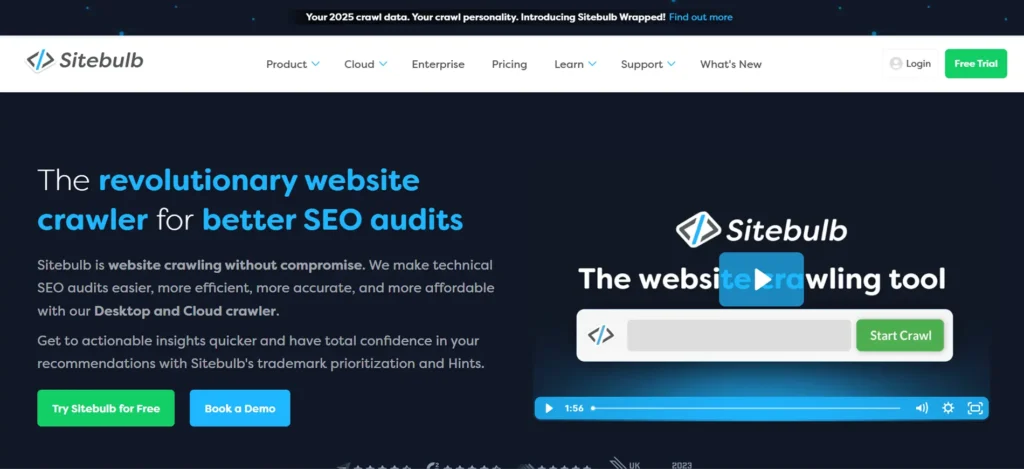
Sitebulb combines technical SEO with internal linking insights. It helps SEO specialists see how pages connect, where authority leaks, and which links matter most for structure.
Best for: internal links, seo tools, site architecture clarity
AI Tools for Link Building & Brand Tracking
Link building in 2026 is less about volume and more about trust signals. AI tools now support:
- Tracking unlinked brand mentions
- Filtering low-quality outreach targets
- Protecting brand authority and reputation
BuzzSumo (Brand mentions + content signals)
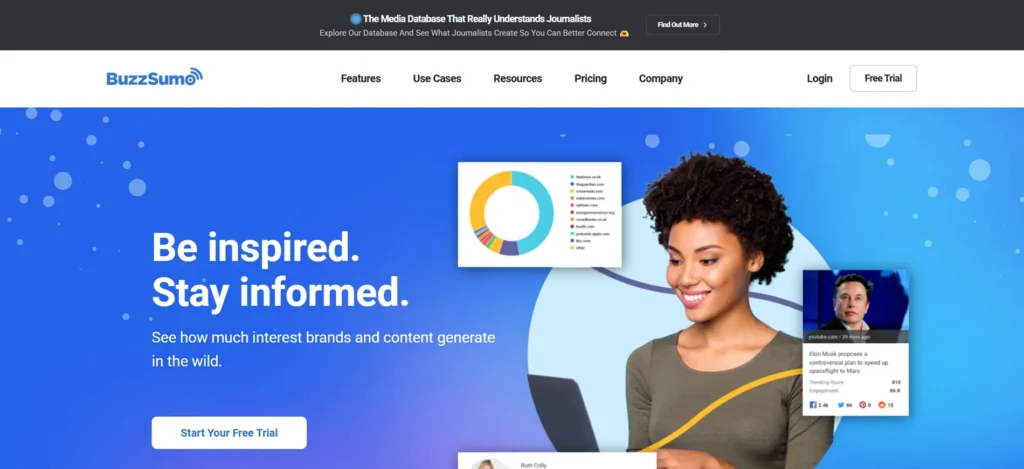
BuzzSumo helps track where brands are mentioned without links. Teams use it to find natural link opportunities instead of cold outreach. It also filters noise, helping avoid low-quality placements.
Brand24 (Real-time brand monitoring)
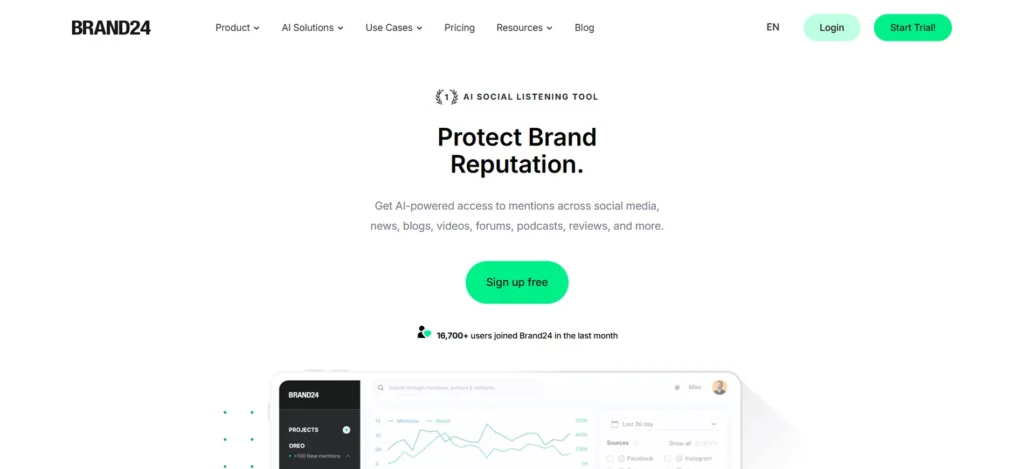
Brand24 focuses on tracking your brand across the web and social platforms. It’s used to monitor sentiment, spot reputation risks, and identify link opportunities tied to real mentions.
Pitchbox (Outreach quality control)
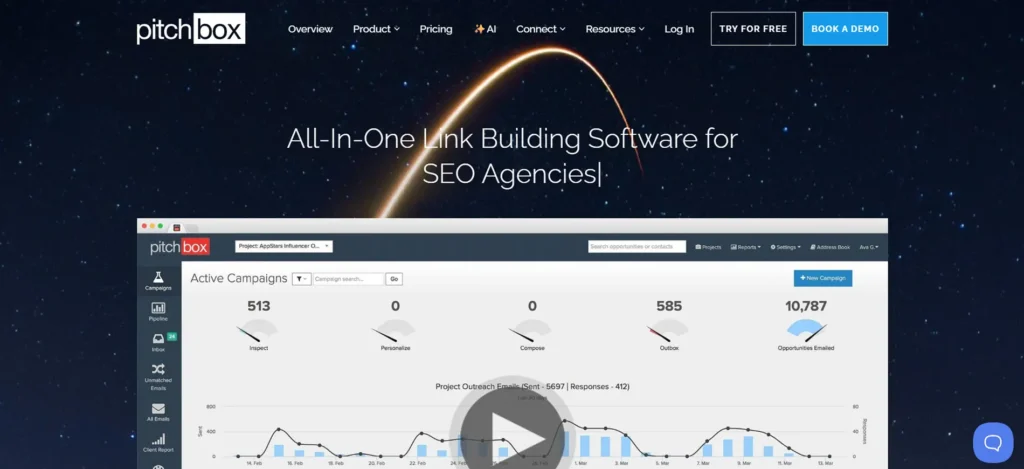
Pitchbox is used less for automation and more for filtering outreach targets. SEO teams rely on it to avoid spammy link building and maintain brand trust.
Best for: tracking your brand, link building, trust-focused SEO
Best AI Platforms for Solo Creators vs Teams
| Use Case | Solo Creators | SEO Teams |
| Primary Goal | Faster research & smarter writing | Scalable workflows & coordinated strategy |
| Keyword Research | Keyword Insights – clusters related terms by search intent, easy to grasp | Semrush (AI features) – deep competitive insight + trend tracking |
| Intent Alignment | Frase – focuses on user needs, not just keywords | Semrush / Ahrefs – supports team planning and gap analysis |
| Content Optimization | Surfer SEO – helps optimize existing content during writing | MarketMuse – plans topical authority across content hubs |
| Internal Linking & Structure | Manual link review with light AI cues | Link Whisper + Sitebulb – automated linking suggestions + structural insight |
| Execution Speed | High (simple UI, one-person workflows) | Medium-High (team coordination tools) |
| Real-Time Insights | Feedback on single pages and topics | Extended alerts across sites and users |
| Cost Suitability | Lower entry cost | Higher cost, higher control |
| Best For | Individual blogs, small sites, freelance SEO | Agencies, multi-site teams, enterprise SEO |
| Risk Control | Human review required on all suggestions | Shared review & approval workflows |
Not every AI SEO tool works the same way for everyone. The real difference is how you work. A solo creator needs speed and clarity. A team needs structure, visibility, and control.
Choosing the wrong platform usually leads to wasted time, not better rankings. The following are the AI platforms that work with different SEO workflows.
Best AI Platforms for Solo Creators
If you work alone, your biggest challenge is focus. You need tools that help you make faster decisions without adding extra steps or dashboards.
What Solo Creators Actually Need
- Clear keyword research tied to search intent
- Help improve existing pages, not endless content generation
- Tools that work inside Google Docs or simple editors
- Guidance without locking you into rigid rules
Surfer SEO
Surfer works well for solo creators because it helps optimize content while you write. It focuses on structure, topic coverage, and relevance instead of pushing AI-written text. This makes it useful for improving pages without harming trust.
Frase
Frase helps answer the real question behind a search. Solo creators use it to understand what Google expects on a page and what users are actually looking for, which improves content depth and alignment.
ChatGPT (used carefully)
When used as a research and rewriting assistant, it saves time. The key is using it to clarify ideas, not publish raw output. Solo creators who treat it as a thinking tool get the most value.
Keyword Insights
This tool is useful for avoiding keyword overlap. It helps detect cannibalization and gaps so solo creators don’t compete with their own pages without realizing it.
These platforms reduce manual effort while keeping control in human hands, which is essential for long-term SEO stability.
Best AI Platforms for SEO Teams
Teams face a different problem: coordination. Multiple writers, editors, and stakeholders mean AI tools must support shared decisions, not create confusion.
What SEO Teams Need in 2026
- Visibility into why recommendations exist
- Clear separation between automation and strategy
- Support for multiple sites, pages, and users
- Tools that fit into existing SEO workflows
Semrush (AI-assisted features)
Teams use Semrush to monitor competitors, track intent changes, and manage large keyword sets. Its AI strength is helping teams prioritize work across multiple pages and markets.
Ahrefs
Ahrefs AI remains essential for link analysis and site authority tracking. Teams rely on it to monitor backlink quality, lost links, and growth trends at scale.
MarketMuse
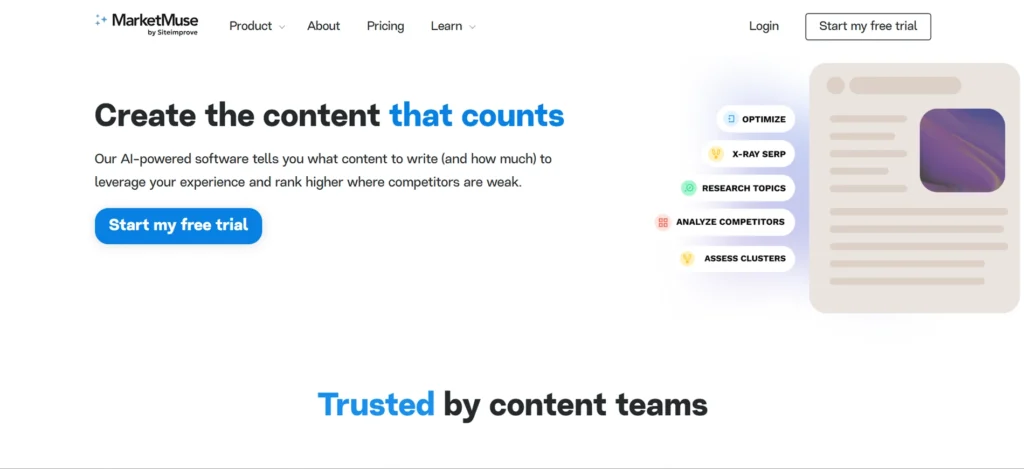
This platform helps teams plan content clusters and strengthen topical authority. It’s especially useful for large sites that need structure rather than more content.
Link Whisper + Sitebulb
For internal links and site structure, this combination helps teams improve crawl flow and reinforce important pages without manual audits.
These tools work best when teams set clear review processes. AI suggestions are used as guidance, not final decisions.
Why Choosing the Right Fit Matters
Using the wrong AI platform causes bad decisions. Solo creators often overpay for team tools they don’t need. At the same time, teams struggle when tools lack transparency or control.
The best AI-powered SEO setups in 2026 follow one rule:
- AI supports decisions
- Humans own the strategy
Solo creators use AI to move faster. Teams use AI to stay aligned. Both win when tools improve judgment instead of replacing it.
This approach leads to more stable rankings, better content quality, and stronger future results, without relying on shortcuts.
Is an AI SEO Tool Worth Using in 2026?
Yes, but only when AI is used as decision support, not blind automation. AI SEO tools are worth the cost when they help you:
- Understand search intent faster
- Spot optimization gaps early
- Reduce repetitive manual work
They stop being useful when they’re used to:
- Publish content without review
- Chase scores instead of intent
- Automate decisions that require context
For solo creators, AI can save time and prevent assumptions if used carefully. For SEO teams, AI improves consistency and scale. In both cases, misuse still causes ranking drops because search engines now detect low-value automation more quickly than before. AI works best when it supports thinking, not when it replaces it.
Can You Do SEO With AI Alone in 2026?
Still no. AI cannot understand your business goals, your audience, or why a specific page matters more than another. It also struggles to judge SERP intent shifts, especially when search results change due to trends, seasonality, or brand trust signals.
SEO in 2026 still requires humans to:
- Set priorities
- Choose what not to publish
- Balance speed with quality
AI helps with execution and analysis, but strategy remains human-led. When used together, AI and human judgment form a stronger SEO workflow than either could alone.
AI SEO Tools vs Traditional SEO Tools
This comparison explains where AI tools add speed and insight, and where traditional SEO platforms still provide stability and accuracy.
AI SEO tools didn’t replace traditional SEO platforms, but they extended them. Traditional tools are still strong at:
- Data collection
- Site audits
- Link analysis
- Performance tracking
AI tools step in where speed and pattern recognition matter:
- Faster interpretation of large datasets
- Smarter clustering of keywords and topics
- Quicker content optimization decisions
The trade-off is accuracy. AI tools move fast and scale easily, but human review is needed to avoid misalignment with search intent. Traditional tools offer stability and depth, but they take more time.
The most effective SEO workflows now combine both:
- Traditional tools provide reliable data
- AI tools reduce manual effort and speed up analysis
Used together, they create balance. Used alone, either side falls short.
SEO Strategy for 2026 (AI-Assisted, Human-Controlled)
SEO strategy in 2026 is AI-assisted, not set to AI default. The strongest teams use AI to:
- Surface insights faster
- Test ideas before committing resources
- Reduce repetitive work
But they keep humans responsible for:
- Strategy direction
- Content standards
- Risk control
We’re also seeing fewer black-box systems and more demand for explainability. SEO specialists want to know why a tool suggests an action. This shift supports better future results:
- Clearer decision paths
- More control over AI-driven processes
- Less dependence on automation assumptions
In 2026, AI doesn’t define SEO strategy. It supports it when humans stay in control.
Common AI SEO Mistakes That Still Hurt Rankings in 2026
AI itself doesn’t cause most SEO problems in 2026. The usage game is the key. How you are using AI in SEO matters the most. Let me share with you some common mistakes:
Publishing AI Content Without Proper Review
When content goes live without human editing, it often misses the point of the search. It may look fine on the surface, but it lacks depth, clarity, or real usefulness. Search engines are quick to catch that now because of the semantic approach.
Trusting Tool Scores More Than Search Intent
SEO tools can show green scores and perfect checks, yet the page still doesn’t rank. That usually happens when metrics are followed blindly, and user intent is ignored. Rankings come from relevance, not dashboards.
Using One AI Tool for Everything
No AI platform is good at every part of SEO. Some are strong at keyword research, others at optimization or internal links. Relying on one tool for all decisions often creates gaps you don’t notice until traffic drops.
Creating New Pages While Old Ones Stay Weak
AI makes it easy to publish more content, but volume doesn’t fix structure. Weak internal links, outdated pages, and poor content hierarchy still block growth.
Letting Automation Replace Judgment
AI can suggest actions, but it can’t understand your goals, audience, or risks. When automation starts making decisions without context, rankings usually slide.
The pattern is simple: Sites that use AI as support keep growing. Sites that treat AI as the decision-maker don’t.
Daily AI Tools Verdict
Daily AI Tools is best viewed as a decision-support platform. It helps users easily see where AI truly saves time and where human judgment remains important.
For SEO specialists, content writers, and small teams, the real value lies in clarity: faster tool discovery, clearer use cases, and less time wasted testing platforms that don’t fit the job.
Daily AI Tools stands out for its practical framing, presenting tools based on real workflows instead of inflated features. It’s useful for optimizing content, researching keywords, or refining internal links without unnecessary feature automation.