Smart brands use AI in email marketing to increase open rates and conversions. They analyze user behavior, choose the best times to send emails, and personalize subject lines and content as people interact. Rather than sending bulk emails at set times, AI adjusts each campaign using engagement data. This makes messages more relevant and helps drive more conversions.
Email marketing still works, but sending the same message to everyone no longer yields best results. Open rates fall when emails go out at the wrong time. Conversions drop when content feels generic. Many teams notice these issues but aren’t sure how to solve them.
That’s why brands are turning to AI in email marketing today. AI doesn’t replace strategy. Instead, it reads customer data, responds to user behavior, and helps improve campaigns at scale.
At Daily AI Tools, we explain how brands use AI to improve open rates and conversions, without the noise, hype, or shortcuts.
What Is AI in Email Marketing?
AI in email marketing means using artificial intelligence to automate emails and learn from customer data and user actions. Unlike simple automations, AI adapts in real time by changing timing, content, and personalization based on how people actually respond, not just on set rules or schedules.
Simply put, AI helps emails feel less automated and more relevant. Traditional automation sends emails based on rules. AI sends emails when user behavior shows it’s the right time.
How AI Works in Email Marketing
This is the technical part, but we’ll explain it in clear language. The digital world values how AI works. In email marketing, AI can lead to much better conversion rates.
Data Inputs AI Uses (What It Learns From)
AI in email marketing starts by reading signals. It looks at stats from your leads and performance, then analyzes them. These stats include:
- Open rates, clicks, and replies
- User behavior across past email marketing campaigns
- Previous sending times and response patterns
- Device usage and engagement consistency
Over time, this data helps create a clearer picture of when and how people respond.
Machine Learning Decisions in Real Time
Machine learning finds patterns that people can’t see at scale. It predicts which emails are likely to be opened before sending, adjusts timing automatically, and can improve campaigns while they’re still running. This is how AI boosts performance without constant manual testing.
Where Generative AI Fits (And Where It Doesn’t)
Generative AI helps with execution. It’s often used for:
- Writing and testing email subject lines
- Drafting email content faster
- Filling personalization blocks at scale
But AI doesn’t replace strategy. Decisions about messaging, brand voice, and campaign goals still need human judgment. AI speeds up the work, but it doesn’t decide what matters most.
Why AI Matters in Email Marketing Today
Due to so much inbox competition, reaching out through email is tough. People decide whether to open an email in seconds, and small mistakes add up quickly.
For teams using modern email marketing strategies, manual optimization no longer works at scale. Thinking about subject lines, send times, or segments leads to lower engagement and can quietly hurt deliverability.
This is where AI-powered marketing changes the process. AI removes guesswork by learning from real behavior and applying real-time optimization across campaigns. It helps improve open rates without spam tactics, enables personalization at scale, and allows faster testing with less risk to your sender reputation.
AI innovation is most obvious in teams that send thousands of emails every day, where manual testing just can’t keep up.
Real Performance – What AI Email Marketing Does Well (And Where It Fails)
AI works best when tasks are structured, repeatable, and based on data. In these cases, consistency is more important than creativity.
Where AI Performs Consistently
AI in email marketing works reliably for:
- Testing and refining email subject lines
- Send time optimization based on past engagement
- Audience segmentation using behavior and interaction data
- Managing repetitive campaign workflows without fatigue
These are the areas where speed and pattern recognition are most important.
Where Human Review Is Still Required
AI should always have oversight. Human input is still essential for:
- Protecting brand voice and tone
- Handling sensitive or emotional messaging
- Making ethical decisions around customer data
- Managing context-heavy or high-stakes campaigns
The key takeaway: AI makes work more efficient, but it cannot replace human judgment. The best results come from combining automation with human responsibility.
Key Applications of AI in Email Marketing
AI is most effective in email marketing when used for clear, repeatable tasks. These are the areas where AI delivers consistent results without making workflows more complicated.
AI for Email Subject Lines & Open Rates
AI helps improve subject lines by learning what actually gets opened. It studies past performance, tests variations quietly in the background, and favors clarity over hype. The goal isn’t clickbait; it’s relevance that lasts over time.
Personalization Beyond First Names
Instead of sending the same message to everyone, AI changes parts of an email based on user behavior. Content blocks, recommendations, and offers can shift depending on how users interact with earlier emails or pages. This keeps messages useful without making dozens of manual versions.
Send Time Optimization
AI learns when people are most likely to open emails. It adapts to habits, time zones, and changing routines. Better timing means fewer ignored messages and a lower risk of unsubscribes, without sending more emails.
AI-Driven Email Campaign Optimization
During live campaigns, AI tracks engagement and response trends. If performance changes, it can adjust pacing, sequencing, or targeting before results drop too much. This helps protect deliverability and keeps campaigns steady.
Top 5 AI Tools for Email Marketing (Tools Worth Checking)
Let me share with you the top 5 performing AI email marketing tools in 2026. AI tools can make your email marketing smarter by automating tasks, improving open rates, and boosting conversions. These five stand out for real use today:
1. ActiveCampaign
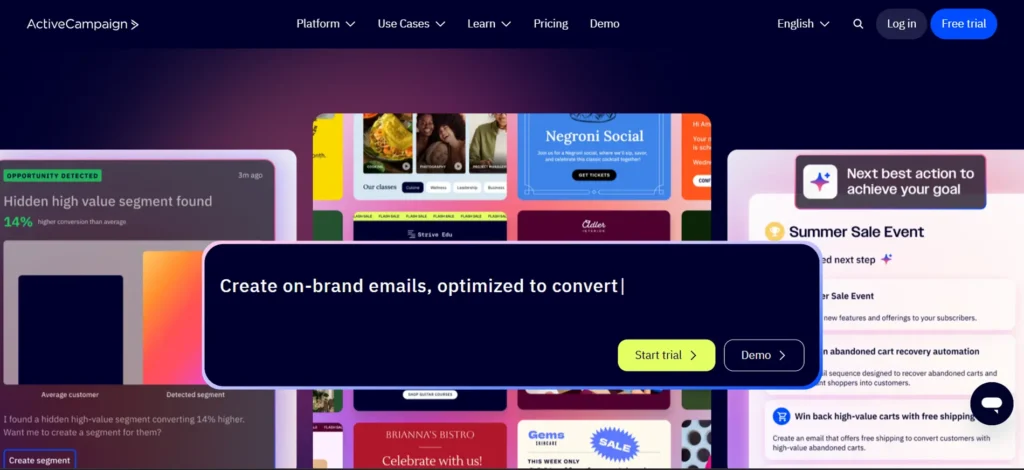
ActiveCampaign is a favorite for email marketing teams of all sizes. It combines email automation with AI-driven personalization and predictive sending. It tailors messages based on customer behavior and automates complex workflows, helping teams save time and improve engagement.
2. Klaviyo
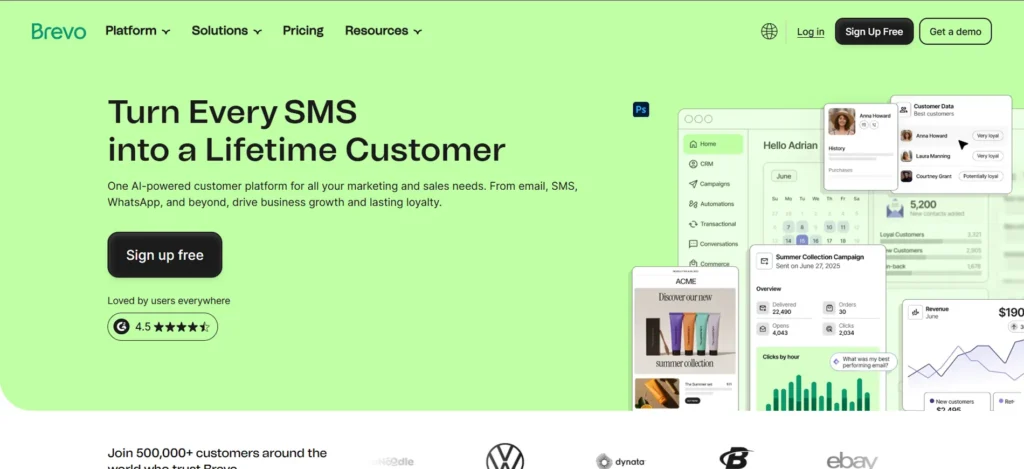
Klaviyo is known for its strong AI integration with customer data. It helps businesses segment audiences by behavior and personalize content at scale. Its AI tools also support real-time optimization and predictive analytics to boost retention and conversions.
3. Mailchimp
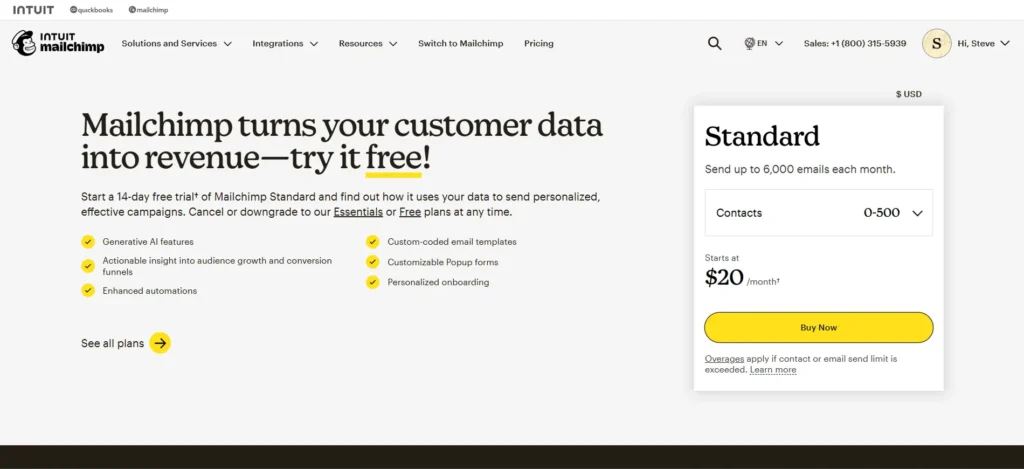
Mailchimp has grown beyond basic newsletters. Its AI features simplify campaign creation, help generate content suggestions, automate sending times, and offer personalization options, making it ideal for small to mid-sized businesses.
4. Rasa.io
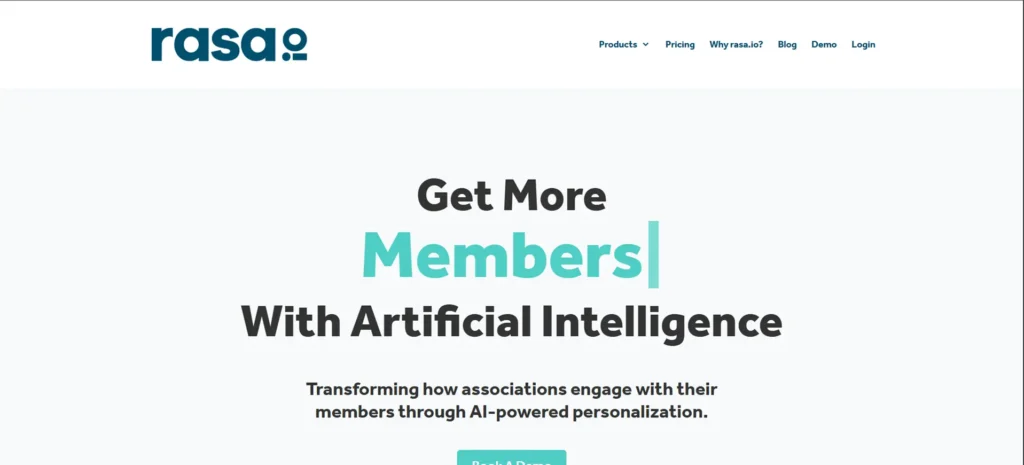
If you want personalized newsletters, Rasa.io uses AI to tailor content to each subscriber’s interests by analyzing what they engage with most. It is excellent for building relationships and increasing open rates among loyal audiences.
5. Iterable
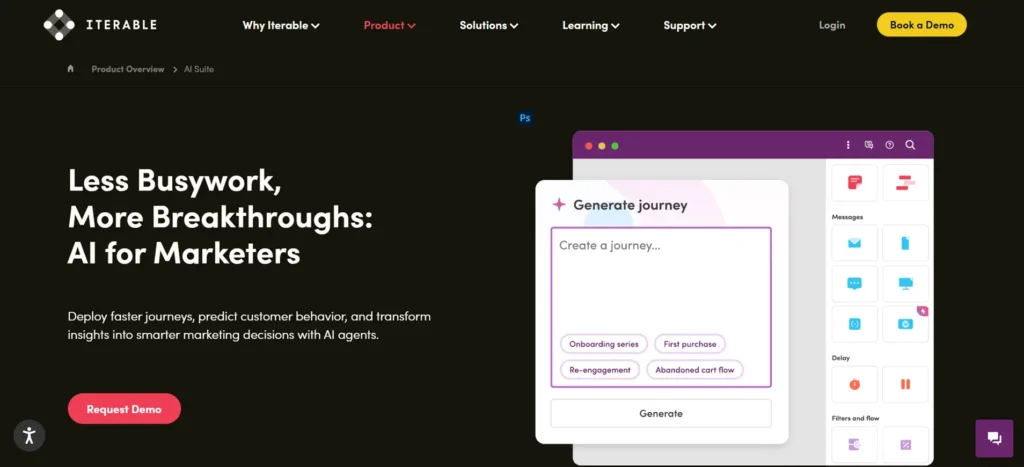
Iterable is a simple but powerful free tool for improving subject lines and open rates. It uses machine learning to score and suggest changes to your subject lines based on industry trends and engagement patterns. This makes it a quick win for any campaign.
Benefits of Using AI in Email Marketing
AI doesn’t make email marketing better by sending more emails. It gets better results by sending smarter emails.
- Improves open rates and engagement without aggressive tactics
- Saves time by reducing manual testing
- Enables personalization across large lists
- Supports better decisions using real-time signals
- Improves ROI without increasing email volume
When used well, AI helps emails feel more intentional and less automated. You are able to save your time and get more productivity managed.
Limitations of AI in Email Marketing (What It Can’t Do Well)
AI improves efficiency, but it isn’t flawless. Knowing its limits helps teams avoid mistakes that hurt trust and engagement.
Context and Accuracy Gaps
AI can misread tone, especially in sensitive or nuanced messages. It may miss brand-specific language, cultural cues, or emotional context that humans understand naturally. This is why the final review still matters.
Over-Automation Risks
Too much automation can make emails feel cold or repetitive. When every message follows the same pattern, inbox fatigue sets in. Without human judgment, even well-timed emails can start to feel intrusive.
Ethical & Data Privacy Concerns
AI relies on customer data to work well. That makes responsible use essential. Clear consent, transparent data handling, and compliance with privacy rules are non-negotiable. Trust is easy to lose and hard to earn back.
Who AI Email Marketing Is NOT Ideal For
AI email marketing may not be the right fit for:
- Brands with strict creative control and fixed messaging
- Highly regulated industries without strong oversight
- Teams are expecting AI to replace strategy instead of supporting it
How Businesses Are Using AI in Email Marketing Today
How businesses use AI for email marketing depends on their model. The main thing is smarter execution, not just sending more emails.
E-commerce
Online stores use AI to recommend products, time promotions better, and recover abandoned carts. Emails feel more relevant because they respond to browsing and buying behavior almost in real time.
SaaS
SaaS teams use AI for onboarding and retention. Emails adjust based on feature use, engagement, and inactivity, helping reduce churn without manual monitoring.
Agencies
Agencies use AI to scale campaigns for many clients. Automation handles testing and optimization so that teams can focus on strategy and creative direction. This reduces burnout without lowering quality.
Local Businesses
Local brands use AI for smarter newsletters and timely promotions. Send times, offers, and messages adjust to local behavior, helping small teams stay competitive without extra work.
How to Use AI in Email Marketing (Step-by-Step)
AI in email marketing works best when it supports existing workflows instead of replacing them.
Start by identifying repetitive tasks, such as:
- Subject line testing
- Audience segmentation
- Send time selection
These are areas where manual effort adds little value.
Choose task-specific AI email marketing tools.
Avoid adding too many tools too soon. One clear use case is enough to measure real impact.
Use AI as assisted automation, not full control:
- Let AI suggest improvements
- Keep human approval before sending
Monitor performance signals closely:
- Open rates
- Clicks and engagement trends
Only increase AI usage once results are consistent and measurable.
Free vs Paid AI Email Marketing Tools
Whether free tools are enough depends on how important email is to your business.
Free AI Tools Work Best When:
- Email volume is low
- Campaigns are occasional
- You’re still testing AI capabilities
Paid AI Tools Make Sense When:
- Email directly supports revenue
- Consistency and reliability matter
- ROI clearly outweighs the cost
Most teams start with free tools and upgrade once AI becomes part of daily email operations.
Is AI Replacing Email Marketers?
AI is not replacing email marketers. It is changing how they work. AI handles:
- Testing and optimization
- Timing and delivery decisions
Humans remain responsible for:
- Strategy and messaging
- Creativity and brand voice
- Ethics and decision-making
The best results come from collaboration, not automation alone.
Future of AI in Email Marketing
AI in email marketing is moving toward practical improvements, not full automation.
What’s coming next:
- Deeper personalization driven by real behavior
- Stronger predictive engagement models
- Fewer tools with tighter platform integration
- Clear human-AI collaboration over full automation
Automation will handle scale. People will guide direction, trust, and long-term value.
Daily AI Tools Verdict
AI in email marketing is about sending smarter emails. The real value of AI is in timing, personalization, and optimization that would be impossible to manage manually at scale. Used well, AI quietly improves open rates, engagement, and consistency without harming trust or deliverability.
However, AI works best as an assistant, not as a decision-maker. Teams that combine AI-driven optimization with human strategy, brand control, and ethical oversight see the best long-term results. For brands serious about email performance in 2026, AI is not optional, but blind automation is still a mistake.
FAQs
How is AI used in email marketing?
Can AI really improve email open rates?
Is AI email marketing safe for customer data?
Do small businesses need AI email marketing tools?
What’s the best way to start with AI in email marketing?
Send-time optimization, subject line testing, or basic segmentation are ideal entry points.